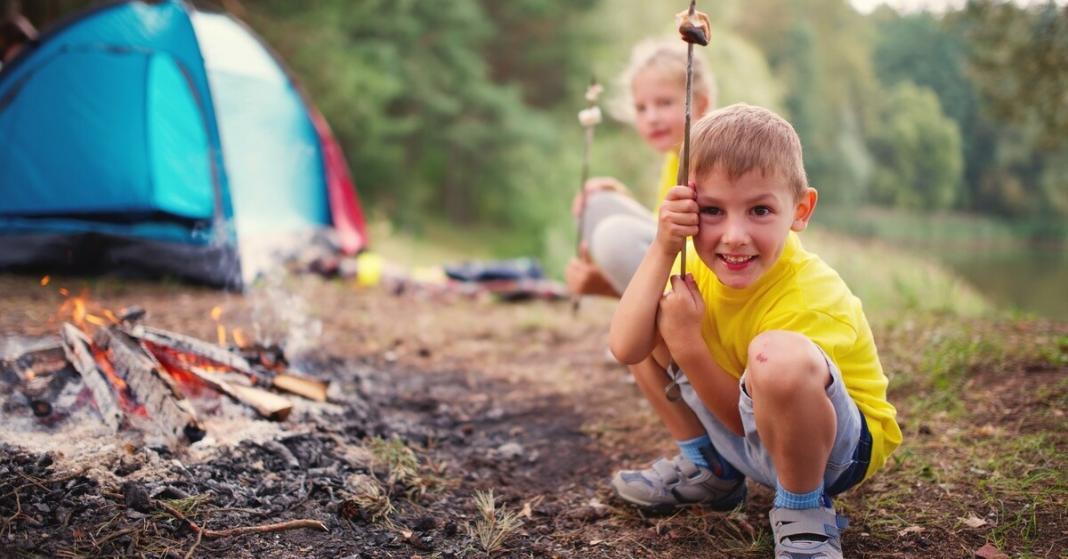
A family excursion into nature offers more than just a break from routine. It represents a chance to connect with the world and each other on a deeper level. Parents often seek ways to make these adventures both enjoyable and instructive for their children.
The great outdoors serves as a vast, open-air classroom full of lessons about science, history, and life skills. A well-planned camping trip can spark a child’s curiosity and foster a lifelong love for exploration and discovery.
Learning how to make a camping trip with kids more educational can transform your next family campout into a rich experience for everyone. With practical steps and creative ideas, you can enrich your time spent under the stars. You will find that education and fun can combine to create unforgettable family memories.
Plan Educational Activities in Advance
Advance preparation sets the stage for a trip full of discovery and purposeful fun. You can research the specific flora and fauna of your chosen campsite to create a scavenger hunt. This transforms a simple walk in the woods into an exciting quest for knowledge.
You can also pack field journals and pencils for everyone to use during your nature explorations. This simple addition encourages children to document their observations and to sketch what they see. It helps them develop keen observation skills and provides a wonderful keepsake to remember the trip.
Study the Local Flora and Fauna
Your campsite is a habitat for numerous plants and animals that await your discovery. Purchase a few simple field manuals specific to the region you plan to visit. These books help you and your children correctly identify different trees, wildflowers, and animal tracks.
Turn identification into a game to see who can find the most species on your list. This playful competition keeps everyone focused and promotes a deeper appreciation for biodiversity. Remember to teach respect for nature and to observe wildlife from a safe, appropriate distance.
Explore Local History and Geography
Every location possesses a unique story connected to its past and its geographical features. Before you leave home, learn about the area’s history, from native inhabitants to early settlers. Share these stories with your children around the campfire to make history feel alive.
Examine maps of the area together to understand the local geography, like rivers or mountains. Explain how these landforms shaped the region’s development and influenced its unique culture. This perspective adds another layer of depth and context to your outdoor adventure with kids.
Teach Essential Survival Skills
Camping provides a perfect opportunity to teach children fundamental outdoor survival skills in a controlled environment. Show them how to read a compass and how to use the sun to find directions. These basic navigation techniques are practical and build confidence in their own abilities.
Also, demonstrate how to build a simple shelter or how to purify water for safe use. These lessons impart valuable knowledge that could one day prove useful in an emergency. They also foster self-reliance and a profound respect for the power of the natural world.
Incorporate Astronomy and Stargaze
The night sky, free from city lights, offers a spectacular celestial show for all to enjoy. Bring a star chart or use a simple smartphone application to identify constellations and planets. Point out famous star patterns like the Big Dipper or Orion to your young astronomers.
You can also share ancient myths and stories associated with the different constellations you find. This connects the science of astronomy to culture and human history across the generations. The simple act of looking up at the stars together can inspire awe and wonder.
Practice Leave No Trace Principles
A responsible outdoor adventure includes the important lesson to leave nature as you found it. You can teach your children the seven Leave No Trace principles for responsible outdoor ethics. This creates a foundation for lifelong environmental stewardship and respect for our shared wild spaces.
Here are some core principles to follow:
- Plan ahead and prepare for your trip.
- Travel and camp on durable surfaces.
- Dispose of all waste properly.
- Leave what you find for others to see.
- Minimize the impact of your campfire.
- Respect all wildlife from a distance.
- Be considerate of other visitors.
Involve Kids in Camp Setup
Active participation in setting up the campsite gives children a sense of ownership and accomplishment. Assign them age-appropriate tasks like clearing small sticks from the tent area or unpacking sleep sacks. This makes them feel like valuable members of the team and teaches them responsibility.
Show them how different pieces of equipment function and why they are important for the camp. Learning how a pickup truck awning can enhance your camping setup will help you protect your gear and improve your experience. This type of practical knowledge gives children useful skills and a better comprehension of preparation.
Cook Meals Together Over the Fire
Cooking together is a fantastic way to bond and to teach practical life skills. Plan simple campfire recipes that allow children to help with preparation and the cook process. Let them stir a pot of stew or assemble foil packets with vegetables for the coals.
Explain the science behind fire safety and how heat cooks the food you eat. This transforms a daily chore into a hands-on lesson about chemistry and responsibility. The shared meal that results from your joint effort will taste especially delicious and memorable.
Create Nature-Inspired Art
The natural world provides endless inspiration for creative expression and artistic projects. One of the best ways to make a camping trip more educational for kids is to collect fallen leaves, interesting rocks, and pinecones to use for a camp art session. You can make collages, create small sculptures, or paint pictures of the surrounding landscape.
This activity encourages children to observe their environment with an artist’s eye for detail. They learn to appreciate the different textures, shapes, and colors that nature offers. It provides a quiet, reflective activity that allows for individual creativity and expression.
Document the Journey in a Journal
A journal serves as a personal record of adventures, thoughts, and discoveries made on the trip. Encourage your children to write or draw about their experiences at the end of each day. This helps them process what they learned and solidifies the memories in their minds.
They can describe a new animal they saw or sketch a map of a favorite trail. The journal becomes a treasured souvenir that captures the essence of your educational family campout. It is a wonderful way to reflect on the experience long after you have returned home.
A camping trip infused with educational elements offers a rich and multifaceted experience for children. It moves beyond a simple vacation and becomes a dynamic learning adventure that stimulates their minds. The skills and knowledge they acquire in the outdoors build confidence, foster curiosity, and promote a deep respect for the natural world.
These experiences create lasting memories and can shape a child’s perspective for years to come. Continue to seek these opportunities to learn together as a family in the great classroom of nature.
You may also like to read,