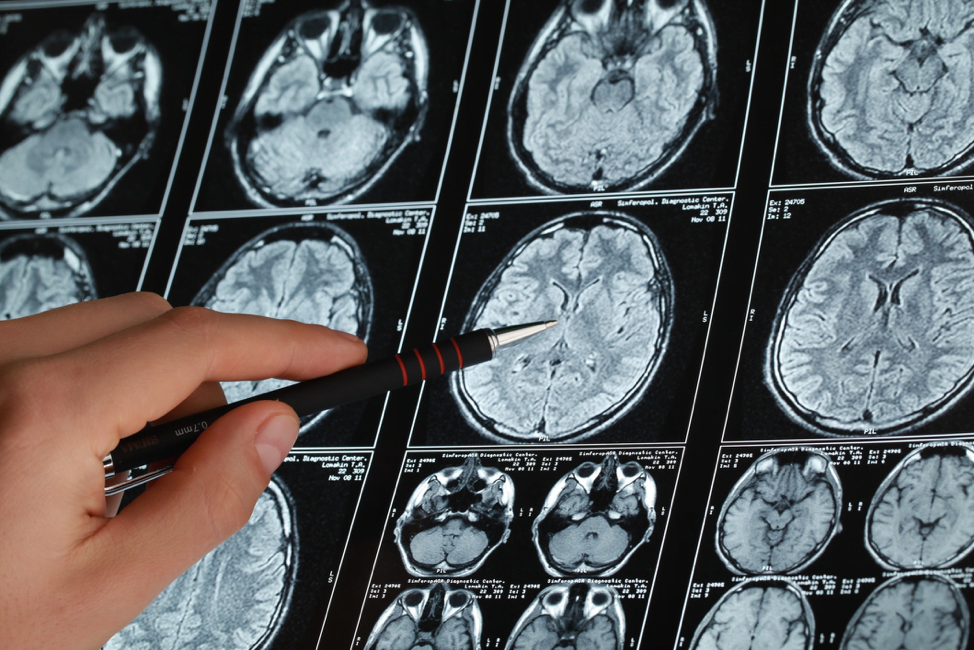
Brain injuries can be the result of a variety of events. A simple car wreck can lead to a life-altering event. If you have a loved one who’s struggling to recover or learn to work within the confines of their injury, consider the following tips for a better understanding of their situation.
Understand the Effects
Your loved one may be extremely frustrated with the recovery time or with their new limitations. Recognize that this frustration may lead to feelings of self-isolation or irritability. Be patient and try to be present so your loved one has someone to bounce ideas off of when they’re ready to talk. They may need help in rearranging their home or work life to adjust to the injury. For example, 20–40 percent of those suffering from a brain injury will suffer vision problems, requiring some large adjustments to their normal lives. Can you help your loved one with transportation if they can no longer drive?
Emotional Volatility
Brain injuries are often treated with steroids to keep inflammation down as the brain heals. However, high doses of steroids can cause glandular changes or even shutdowns. Weaning the brain injury sufferer off of steroids can lead to emotional volatility. Understand that your loved one is just as frustrated and upset with their behavior as everyone else and give them time. In addition, if the frontal lobe is injured, your loved one may become very inflexible and easily upset at changes. Try to stick to a schedule with them and support them when changes come. In addition to establishing daily routines, families can also find it helpful to connect with community programs that can bridge recovery and practical skills. For those looking for such options, a helpful starting point can be searching for a TBI-assisted living facility, which can highlight programs focused on skills and employment pathways.
Locus of Control
Loss of internal locus of control can be the result of a brain injury. This ability to decide what to do next is critical to function as an adult. Some brain injury sufferers struggle to develop their own locus of control and may need guidance to set up a daily schedule of bathing, eating, and other simple maintenance tasks. Understand that this is not simply laziness or sluggishness. Those who suffer damage to that portion of the brain lose the ability to make the next decision. They may lose time and get frustrated with themselves because they aren’t as productive as they were. You can support them by gently guiding them to the next task or helping them set up workstations in their living space for the next step in their day.
The science of the human brain is a growing field, but much is still unknown. If you have a loved one suffering a brain injury, understand that they are a pioneer in their own healing. Be there for them as they find a new path.
Here’s another article you might enjoy: 5 Ways Reading Habits Rewire Brain Plasticity