
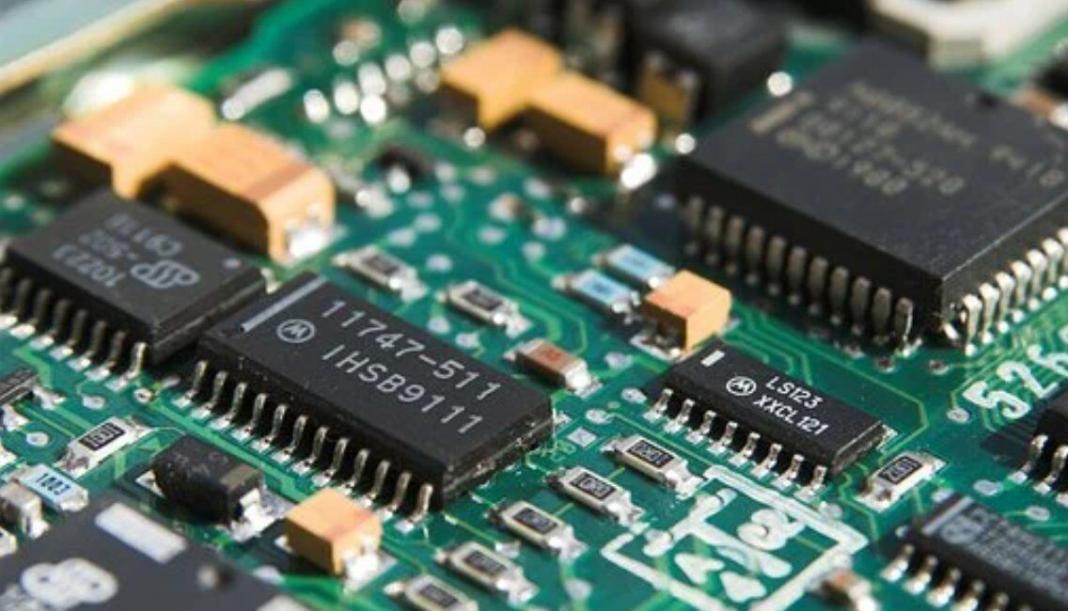
As the world progresses, so does the medical industry. With new technologies and treatments being developed all the time, the medical industry must have access to the most advanced tools and equipment possible. And one of the key components of many of these tools and devices is the printed circuit board (PCB).
PCBs are used in a wide range of medical devices, from simple blood pressure monitors to more complex MRI machines. They are also used in lots of other industries, but the medical industry has particularly benefited from their use.
Here’s a look at some of how PCBs have helped to improve the medical industry.
1. They’ve Helped to Miniaturize Medical Devices
One of the most significant benefits of PCBs is that they’ve helped to miniaturize medical devices. This has been crucial in developing handheld devices, such as blood pressure monitors and glucose meters, which have made it easier for patients to self-monitor their health at home.
The advancement of printed circuit board (PCB) technology has played a pivotal role in the development of many medical devices and instruments. PCBs are used in everything from pacemakers and defibrillators to contact lenses and hearing aids.
PCBs have made it possible to miniaturize many medical devices, which has, in turn, made them more portable and less intrusive. This is particularly important for implantable devices, such as pacemakers, which need to be small enough to be inserted into the body, yet still, function effectively.
2. Improve Device Reliability and Safety
Printed circuit boards are used in a wide variety of medical devices, from pacemakers to x-ray machines. They offer a high level of reliability and safety, making them an essential component of modern medicine.
While the exact benefits of printed circuit boards may vary depending on the specific device, some common advantages make them ideal for use in medical applications.
The reliability and safety of printed circuit boards make them an essential component of modern medicine. With their wide range of benefits, printed circuit boards can help improve the performance of a wide variety of medical devices.
3. Increased Portability of Medical Devices
PCBs increase portability because they are small and lightweight. This is particularly important in the medical industry, where devices need to be as small and lightweight as possible so that they can be easily transported and used in difficult or sensitive environments.
The increased portability of medical devices is one of the major advantages that printed circuit boards in the medical sector provide. With the help of these boards, medical equipment can be made smaller and more lightweight.
This makes them much easier to transport from one location to another, which is essential for mobile clinics and other medical facilities that have to travel to serve their patients.
4. Improved Durability and Functionality of Medical Devices
Another advantage of printed circuit boards is that they improve the durability and functionality of medical devices.
Encasing delicate electronic components in a sturdy board is better protected from damage. Additionally, the use of printed circuit boards can help streamline the inner workings of medical devices, making them more efficient and effective.
Printed circuit boards are also less susceptible to damage since they’re not as easily broken as traditional circuits. And finally, printed circuit board manufacturers have ensured that they’re less expensive to produce, so hospitals can save money while still getting the high-quality equipment they need.
5. Faster Response Time in Emergency Situations
In emergencies, time is of the essence. That’s why having a printed circuit board in medical devices can be so important – it can help to speed up the response time in getting the device operational. Every second counts when someone’s life is on the line, and a faster response time can mean the difference between life and death.
The speed at which a PCB can respond to an electrical signal is determined by its trace width. Trace width is the width of the copper interconnects that connect the different components on the PCB. The wider the trace width, the faster the PCB can respond.
Bottom Line
Printed circuit boards play a vital role in the medical industry, helping to miniaturize and automate equipment, making it more portable and easier to use. They also offer greater durability and reliability than other electronic components, which is essential in life-saving medical applications.
You may also want to read,




.)