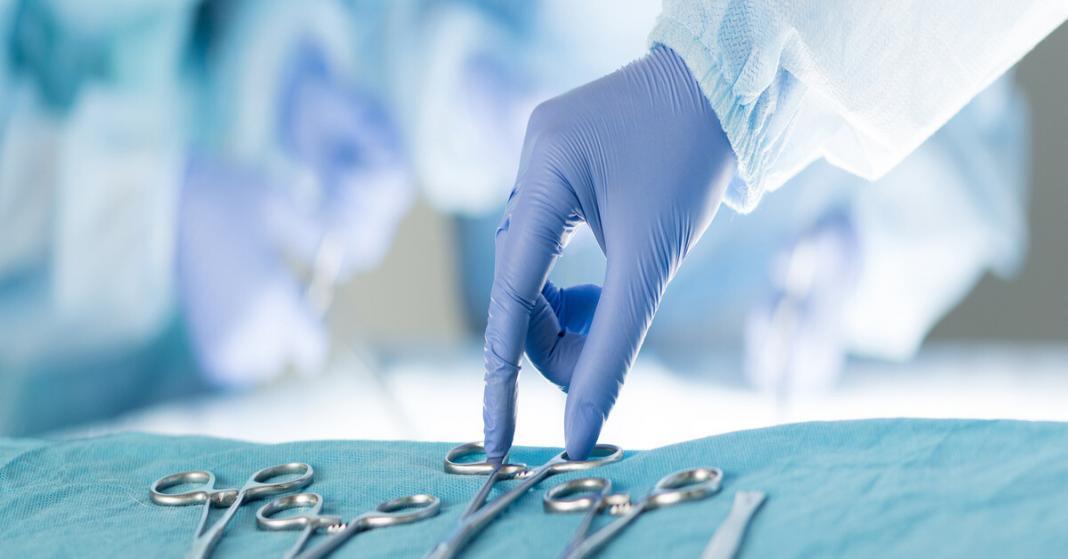
As a student, entering an operating room can feel like stepping into a high-tech workshop with all the numerous trays full of gleaming metal tools, each with a specific shape and purpose. For aspiring surgeons, learning to identify and correctly use this vast array of instruments is a fundamental part of their training. It is a process that takes years of practice and dedication.
Every tool, from the sharpest scalpel to the most delicate forceps, plays a critical role in the success of a surgical procedure. Understanding what each instrument does is the first step toward mastering the art of surgery. This knowledge ensures that every cut, clamp, and stitch performed during a surgery occurs with precision, minimizing trauma and promoting healing.
This guide will walk you through the essential tools of the trade. We will explore the different categories of surgical instruments and highlight the ones that form the foundation of a surgeon’s toolkit. By the end, you’ll have a better appreciation for the skill and knowledge required to perform even the most routine operations.
Cutting and Dissecting Instruments
Surgeons use cutting instruments to incise skin, dissect tissue, and remove structures. These tools are exceptionally sharp and require careful handling to ensure clean cuts and prevent accidental damage.
Scalpels
The scalpel stands out as the most iconic surgical instrument. It features a reusable handle paired with a disposable blade. Surgeons select different blade sizes and shapes based on the incision they need to make.
For example, a #10 blade is common for large skin incisions, while a #15 blade is better for finer, more intricate work. Proper grip and pressure are crucial for controlling the depth and length of the cut.
Scissors
Surgical scissors are not your average household shears. They are for precision and come in a wide variety. Mayo scissors, with their sturdy build, are ideal for cutting thick tissues and sutures. Metzenbaum scissors are more delicate, with longer handles and shorter blades, which makes them perfect for dissecting fine tissues and navigating tight spaces.
Grasping and Holding Instruments
Grasping and holding instruments allow surgeons to manipulate tissues, hold organs in place, and secure items like sutures. These tools provide the grip and stability needed to work effectively.
Forceps
Forceps are essentially surgical tweezers, but they come in various designs for specific tasks. Tissue forceps, like the Adson forceps, have small teeth at the tips to provide a secure grip on tough tissues without causing significant damage. Dressing forceps lack teeth, since they are for handling sterile dressings or delicate tissues that could be easily crushed.
Clamps
Clamps, or hemostats, are indispensable for controlling bleeding. They have locking mechanisms that allow them to securely clamp onto blood vessels. Some of the most common instruments surgeons learn to use are different types of hemostats.
For instance, Mosquito forceps are small and delicate, ideal for clamping small vessels. Larger clamps, like Kelly forceps, are for bigger vessels and tissues. Furthermore, understanding the common mistakes to avoid when using hemostatic forceps is also vital for any trainee, as improper use can lead to tissue damage.
Retracting and Exposing Instruments
During surgery, it is essential to have a clear view of the operating field. Retractors are instruments designed to hold back tissues and organs, providing the surgeon with the exposure needed to work safely and efficiently.
Handheld Retractors
As the name suggests, a surgical assistant holds these retractors in place. The Senn retractor is a small, double-ended instrument with a rake-like end and a smooth, L-shaped blade, often used in superficial procedures. Army-Navy retractors are larger and used to pull back layers of tissue in deeper incisions.
Self-Retaining Retractors
These retractors have a locking mechanism that keeps them open and in place without being held. This frees up the assistant’s hands for other tasks. The Weitlaner retractor is a common example, featuring prongs that hold back shallow incisions. For larger abdominal surgeries, the Balfour retractor provides wide exposure of the abdominal cavity.
Suturing and Stapling Instruments
After the main part of the surgery is complete, the surgeon must close the incision. This process utltizes suturing or stapling instruments, which bring tissues together and facilitate healing.
Needle Holders
Needle holders grasp and guide the suturing needle through tissue. They look similar to hemostats, but have shorter, sturdier jaws with a textured surface to hold the needle firmly. The Mayo-Hegar needle holder is a popular choice, known for its reliability and strong grip.
Surgical Staplers
In some cases, surgeons use staples instead of sutures to close skin incisions or connect internal tissues. Surgical staplers are faster to use and can create a uniform closure. Skin staplers are for external use, while other types are for internal use, such as connecting segments of the intestine.
A Surgeon’s Most Important Tool
While a surgeon’s toolkit features hundreds of specialized instruments, the most important “instrument” is the surgeon’s own hands. The dexterity, sensitivity, and control of a surgeon’s hands allow them to use these tools with the required precision.
Training involves countless hours of practice to develop muscle memory and tactile feedback needed to perform complex maneuvers flawlessly. Without this human element, even the most advanced instruments would be useless. This is why the most common instruments surgeons learn to use are just extensions of their skilled hands.
Building Surgical Expertise
Becoming a surgeon is a long and demanding journey. Mastering the use of these common surgical instruments is a cornerstone of that education. Each tool has a specific function and knowing when and how to use it correctly is essential for patient safety and successful outcomes. From the initial incision to the final suture, these instruments are the trusted partners that enable surgeons to heal and save lives.
The next time you see a depiction of a surgical procedure, take a closer look at the tools involved. You will now better understand their purpose and the incredible skill required to wield them. The world of surgical instruments is a testament to human ingenuity and the relentless pursuit of medical excellence.
You may also like to read,