Have you ever pondered the significance of an electrical safety check in your home? Or perhaps wondered if it is just a customary procedure imposed by local bodies and safety watchdogs? Maybe you’ve never really given it much thought, dismissing it as one of those seemingly extraneous tasks on a homeowner’s to-do list. To say that these inspections are crucial would be an understatement. They not only secure the safety of your home and its inhabitants, but they are also a determinant of your peace of mind. Today’s blog post puts a magnifying glass on this critical subject, exploring its importance, benefits and repercussions of overlooking it.
Electrical safety check, often viewed as a background operation, ensures the regular functioning of every other aspect of your residence. Your lighting, heating, cooking, cleaning – pretty much every activity that uses electricity – depends on the safety and efficiency of your electrical framework.
In this article, we will delve into why homeowners should schedule regular electrical safety checks, when they should be carried out, what they entail, and who is authorized to do them. We will further weigh in the pros and cons, key indicators of potential electrical faults, and how maintaining electrical safety can result in real savings.
Why Regular Electrical Safety Checks?
Regular inspection of your electrical system is more than just compliance with local regulations; it’s about safety and efficiency. Faulty wiring, outdated systems, and incorrect installations are some of the common issues that can lead to dangerous situations such as fires or electrocutions. Not to mention such issues doubly serve to inflate your energy bills.
Sometimes, subtle signs such as flickering lights, frequent tripping of circuit breakers, or humming noises from electrical outlets might be early warnings. Regular checks help you catch such sneak previews of disaster, averting them before they intensify into colossal mishaps.
An efficiently running electrical system can also reduce your energy footprint, which counts towards environmental conservation. If you are keen on the sustainability drive, an efficient electric grid is one way to join in.
When Should an Electrical Safety Check Be Carried Out?
As a thumb rule, experts recommend carrying out an electrical safety check every three to five years. However, this can vary depending on the age and condition of your electrical system. For older homes with unchanged wiring systems, more frequent inspections may be necessary.
It is also advisable to schedule a check when purchasing a pre-owned home to verify the safety of the pre-existing electrical system. Other circumstances necessitating an inspection include post-renovation checks, after a surge or lightning strike, or witnessing strange electrical behavior.
What Does an Electrical Safety Check Involve?
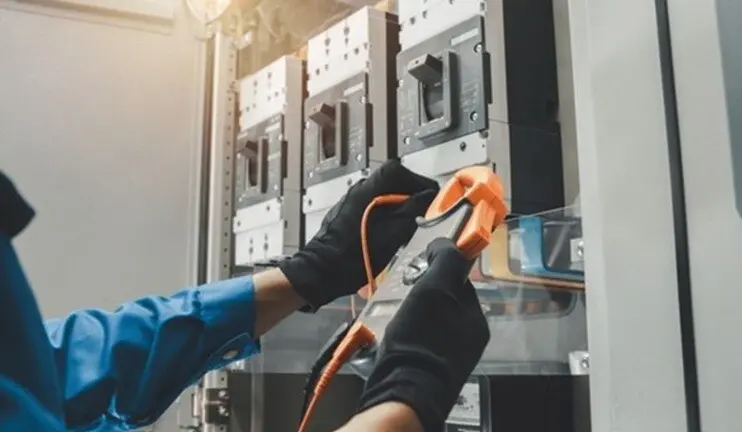
An electrical safety check involves a thorough assessment of your electrical system. This includes inspecting the wiring, plugs, switches, and circuit breakers for safety and efficiency. A licensed electrician checks for any deterioration, corrosion, or outdated wiring that could pose potential risks.
Light fixtures, particularly bathroom ones, undergo a meticulous examination to ensure they are grounded correctly. The inspector also validates if your home complies with the latest electrical safety regulations.
Who Should Conduct an Electrical Safety Check?
Electrical safety checks should ideally be conducted by licensed electricians or professional contractors. Their expertise and knowledge of local regulations and standards ensure that they can identify potential problems and suggest corrective measures.
Never attempt a DIY for electrical safety inspections, for the risk is far too great. Dealing with electricity requires a sophisticated understanding and error here is not just bad planning, it’s a potential hazard.

Cost-Benefit Analysis of Electrical Safety Checks
The cost of an electrical safety check can vary, usually factoring in the size and complexity of the system. However, consider this against the potential costs of electrical repairs, replacements or, worst-case scenario, the devastating consequences of an electrical fire. You would quickly realize that the inspection fee is a small price to pay.
The benefit of annual checks is twofold: it assures safety and can also bring to light areas where energy can be used more efficiently. This can have a secondary saving effect on your utility bills.
Key Indicators of Electrical Faults
Some of the key indicators that your electrical system requires a check include frequent tripping of circuit breakers, unusual noises from outlets or appliances, scorch marks around plugs and switches, and flickering lights. Other signs can be more subtle – such as periodic shocks touching appliances, over-heated wires, or unusually high utility bills.
Conclusion: Safety and Savings – Reasons To Prioritize Electrical Safety Checks
Ensuring the electrical safety of your home is a quintessential responsibility that should never be taken lightly. Regular electrical safety check serve as an essential preventative measure, reducing the risk of fire, electrocution, and pricey repair expenditures in the long run.
While the prospect of cost may deter some from considering regular checks, the potential savings in terms of pre-empting repair costs, prolonging the life of your appliances, and increasing energy efficiency make it a worthwhile investment.
Never overlook the role of licensed professionals in this process. Professional and thorough inspections will not only help protect your home and its inhabitants, but also confer peace of mind that every light switch flipped, every device plugged in, is supported by a secure and sound electrical framework. Remember, electrical safety is not a luxury; it’s an outright necessity.
You may also like to read,