

Home renovation projects leave people susceptible to harmful particulate matter, pollutants, and chemicals. Using a half mask air purifying respirator for sale (h-MAPR) under such circumstances becomes indispensable. This protective half-mask blankets your face and filters contaminants suspended in the air, allowing you to inhale clean, safe air. Hence, these masks are compatible with filters, cartridges, or canisters that remove certain contaminants, ensuring that your lungs do not fill with hazardous contaminants.
Subsequent sections will allow us to get hands-on with the nitty-gritties of respirators, understand the various components of the same, learn their appropriate uses, and weigh in on the health and environmental impacts of their misuse. We aim to ensure that you are equipped with enough knowledge and best practices to effectively use your h-MAPR during your home projects.
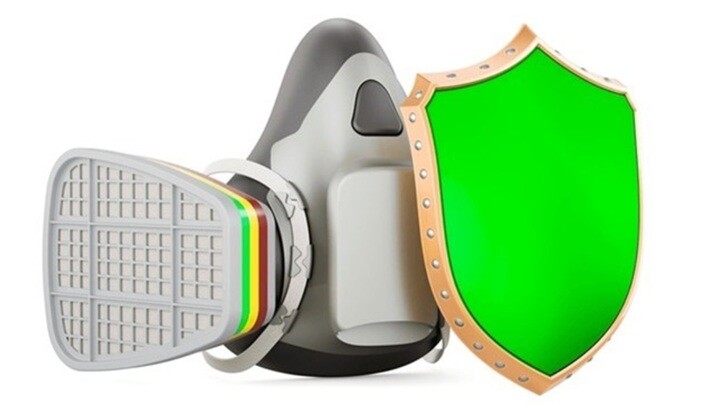
Understanding Components of the Respirator
With a typical half mask air purifying respirator, there are several parts that contribute to its overall functionality. The facepiece or mask is particular to create a seal against your face so that you’re not breathing harmful substances into your lungs. The exhalation valve lets your exhaled air go free from the mask, thus preventing moisture accumulation.
In addition to that, the h-MAPR will probably have a nose clip to ensure a snug fit around your nose. Filters/cartridges on the facepiece trap or filter out harmful particles, gases, or vapors. Types of filters: The type of filter required depends on the type of contaminant you’re being exposed to. Last but not least, adjustable straps keep the mask securely and comfortably in place on your face while providing optimum protection.
When to Use the Half Mask Air Purifying Respirators
H-MAPR is necessary for many things, including painting, spraying, sanding, or cleaning in your home improvement project. Generally speaking, a respirator is needed when there are airborne toxins, poorly ventilated areas where you are working, or some sort of solvent-based paints or chemicals that give off fumes that you don’t want to inhale.
Step-By-Step Guide to Proper Respirator Usage
The very first step of using your h-MAPR is knowing that it is clean and has been properly assembled. First, hold the respirator in your hand with the nosepiece at your fingertips. Place the mask in front of your face, covering your mouth and nose. Bring the top strap above your head while positioning it high at the back of your head. Next, pull the bottom strap over your head, positioning it below your ears and around your neck.

Testing for Fit
Fit testing is one of the most important procedures in ensuring that a half mask air purifying respirator comfortably fits your face and therefore protects it adequately. Insufficient fit of the mask may provide considerable opportunity for contamination from unfiltered air getting to the inside of the mask. Fit tests should always be performed before the first use and at regular intervals thereafter whenever the contours of your face change due to weight loss or gain, as well as through facial surgeries.
The Lifespan of Your Respirator
It’s not meant to last forever: filters are subject to wear and tear over time, and the mask itself is subject to degradation. Under moderate use, the recommendation is to change filters or cartridges every six months unless breathing becomes difficult or the filter is visibly dirty. A facepiece or mask body, as a general rule, can last for a few years, but you’ll know it’s time for replacement if it has lost its pliability or shows wear and tear, such as cracking.
Cleaning and Storing Your Respirator
Regular cleaning once after each use should help keep a respirator in top shape. To do this, pull away the filters, cartridges, or canisters and wash the facepiece with warm soapy water and rinse well. High cleansing agents must not be used, as they could damage it. The facepiece should be air-dried before putting it in as a package. For storage, it should be sealed in a bag and away from direct sunlight or high temperatures. These are the ways of stretching life and the effectiveness of your h-MAPR.
Common Respirator Errors and How to Avoid Them
Using an h-MAPR can be very difficult when one is not aware of the most common mistakes. Some may be inclined to ‘over-rely’ much on the h-MAPR, believing that it will protect them from all kinds of contaminants. Always remember that your h-MAPR filters only certain types of contaminants; hence, determine the right one for your job. Not testing fit regularly or not changing out filters can also put your safety at risk.
Some may try to wash their masks in ways that are not appropriate for them and damage them. Always follow the directions made by the manufacturer regarding cleaning and maintenance. Finally, improper storage can shorten the life of your h-MAPR or render it ineffective. Store your mask in a clean, dry, and cool place to keep it effective and long-lasting.
Environmental and Health Impacts
The health effects of improper or no use of h-MAPR vary widely. These effects may cause slight allergies or develop into serious respiratory diseases, heart hassles, and even cancer. Improper application can also contribute to pollution in the environment. It means contamination of the surrounding area by chemical vapors or dust particles, thus harming a larger part of the ecosystem.
Explorations into Different Modes of Respiratory Protection
H-MAPRs are practical solutions for most scenarios, but some may require additional protection. Some situations demand the use of full-face respirators, powered air-purifying respirators, or supplied-air respirators; these conditions may include working with extremely toxic substances or in oxygen-deficient environments. Consider the hazards presented by your project, and ensure that the correct respiratory protection is chosen for your use.
In short, knowing how to properly use and maintain your h-MAPR will ensure that you can proceed with your work safely and effectively. Most importantly, however, always be sure to heed safety instructions or guidelines, not just for your own health and welfare, but also for that of the environment around you.
You may also like to read,



 under such circumstances becomes indispensable. This is a protective half mask that blankets your face and filters contaminants suspended in the air, allowing you to inhale clean, safe air.)