Key Takeaways
- Needles play an essential role in the medical field.
- Poor disposal of needles puts the masses at risk of contracting infections.
- Having the correct needle containers helps reduce the effects of improper disposal.
Almost everything in life has two sides, the good and the bad. Needles are no different. In the medical field, they serve many important purposes. That is the good part. The other side concerns their improper disposal, as failure to follow the prescribed rules often carries severe consequences, sparing no one, not even the public.
The article below will help you gain a better understanding of these issues.
Understanding Common Uses of Needles
Here is a closer look at various needle applications.
Insulin Delivery
Patients who have diabetes need insulin to help regulate their blood sugar levels, thereby fostering healthy and comfortable living. The widely recognized method of administration is through subcutaneous injections using needles.
Sample Collection
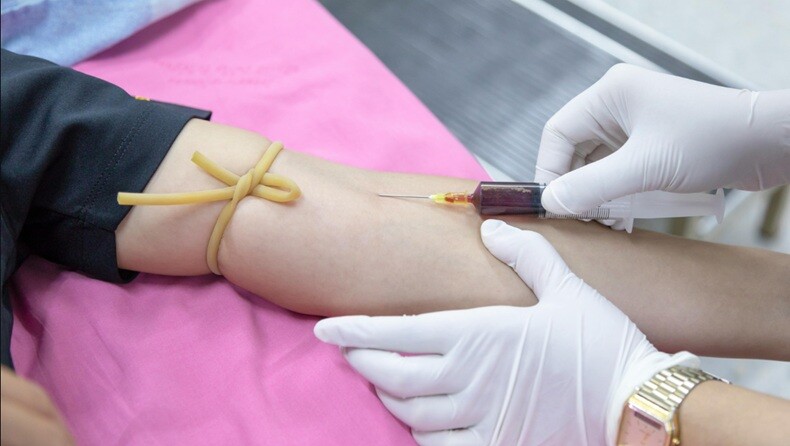
For effective diagnosis, blood samples are often collected from the body. In such instances, laboratory personnel typically use blood-collection needles as they are designed for that job.
You may also have come across a needle with a small, hollow tip used to collect fluid samples. This is called the aspiration needle. It is usually inserted into one’s body, and through the hollow tip, the needed fluid is sucked out.
Vaccination
At the top of syringes, needles are inserted to help draw medication from their containers and into the syringe’s barrel, which often has markings.
It is also through them that medication pushed from the tube enters the individual being vaccinated. You can now understand why it is often considered essential for such exercises.
Wound Closure
Medical professionals commonly use surgical suture needles to close wounds during operations.
The thread is held in place by its long shaft, and the sharp tip allows it to pierce the skin for proper closures.
Effects of Improper Needle Disposal
Care does not stop at needle use. Although often overlooked, disposal is also an integral part of precautionary measures in the medical needle domain, especially in clinical environments where maintaining a sterile medical office is essential to protecting patients and staff.
Below are some of the dangers associated with not adhering to the regulations and rules surrounding the disposal of needles.
Breaking Down Various Consequences
With needles in the wrong disposal containers or thrown in areas where they are not supposed to be, the public is affected in two key ways.
- Injuries
A needle is an instrument that can pierce your skin, causing injuries. In many cases, you may even experience some element of pain.
There may be instances in which a needle breaks inside the body, leaving fragments behind. In such cases, proper medical attention is required.
All of these issues arise because needles are in the wrong place at the wrong time.
- Infections
Needles are known to carry bloodborne pathogens capable of surviving outside a person’s body for extended periods.
Here are examples of the diseases/infections one may be at risk of contracting:
- Hepatitis B
This is a viral liver-related infection. One can contract it through body fluids and blood.
According to a piece on the Canadian Centre for Occupational Health and Safety website, there is a 6% to 30% chance of infection if someone sustains a needle injury and is not vaccinated.
Although it can be treated, there is a chronic stage that could lead to cancer or cirrhosis. If you are unaware, this could be fatal if proper care is not taken.
- HIV
HIV is a virus targeting a person’s immune system, specifically certain immune cells. It damages these cells, reducing the body’s ability to fight infection and disease.
- Hepatitis C
Also known as HCV, this viral infection affects an individual’s liver. A notable aspect is that its symptoms are not always evident. Typically, its telltale signs appear once it has severely damaged the body.
- Soil Contamination
When improperly discarded, needles end up in various places, including landfills. They stay there for a long time, usually because they take years to decompose.
What often happens is they break down and release harmful chemicals. It is these toxins that seep into the soil.
The effects can include:
- Pollution
Chemicals from these needles are considered foreign substances that pollute the soil in various ways. An example is an alteration in the soil’s composition, which may reduce its fertility.
- Food Safety Concerns
Soil contaminated with used needles may harbor various pathogens. This is a major threat to food safety and security.
- Water Pollution
Improper needle disposal poses a significant threat to water sources and the environment. Its effects include:
- Aquatic Life
Chemicals from used needles can be washed into water bodies, affecting aquatic life in various ways. One of them is the release of toxins into aquatic ecosystems.
- Humans
Sharps waste, such as needles, can contaminate water sources and render them unsafe for domestic use, such as drinking.
How to Correctly Discard Needle Waste
- Use the right equipment: After use, carefully place needle waste in a needle disposal container, as it is designed for this purpose.
- Incinerate: You can take your needle waste to incineration facilities for proper disposal.
- Consult professionals: You can call in experts to safely handle your needle waste.
Sticking to the Cause
Needles play integral roles in people’s day-to-day lives. From sample collection to insulin use and vaccination, their involvement is there for all to see. The broader problem is that after use, many people often discard them improperly, leading to infection risks, soil contamination, and more. As highlighted above, you can employ a few tactics to reduce and effectively address incorrect needle disposal.
You may also like to read,