More people are transitioning to the virtual world to entertain themselves and communicate with their loved ones conveniently. They also utilize digital platforms to acquire their essentials and even conducting banking and other financial transactions.
Because more consumers are moving into the digital world, businesses take this opportunity to transition their operations online, enabling them to attract more leads. However, the rising popularity of online shopping platforms and remote financial services has become a target of cybercriminals.
With the relentless security threats, enterprises operating in the modern business landscape must implement robust cybersecurity measures to prevent malicious actors from accessing their networks. They can start by employing electronic Know Your Customer or ekyc portal to weed out fraudulent individuals during online enrollments effectively.
Consequently, biometric technology is seen as a viable replacement for conventional identity proofing methods. Biometric traits are next to impossible to forge; hence, using biometric technology, businesses can combat efforts of fraudulent individuals to find weaknesses in a system.
Organizations can leverage identity authentication solutions compliant with FIDO2 standards. FIDO authentication solutions utilize biometrics and mobile technology for more seamless authentication. FIDO login credentials often cannot be unlocked without biometric authentication, through the device’s built-in fingerprint scanner or camera, or device-based authentication, such as a swipe pattern or a PIN code.
While biometric authentication continues to gain popularity in this digital era, the concept of using biometrics for identification purposes was established in the 1800s. Biometric science has a rich history. It was initially based on human speech and fingerprint patterns and was used to identify criminals. But as technology advances, biometric science also continues to innovate. Biometric technology was made available for commercial and public use.
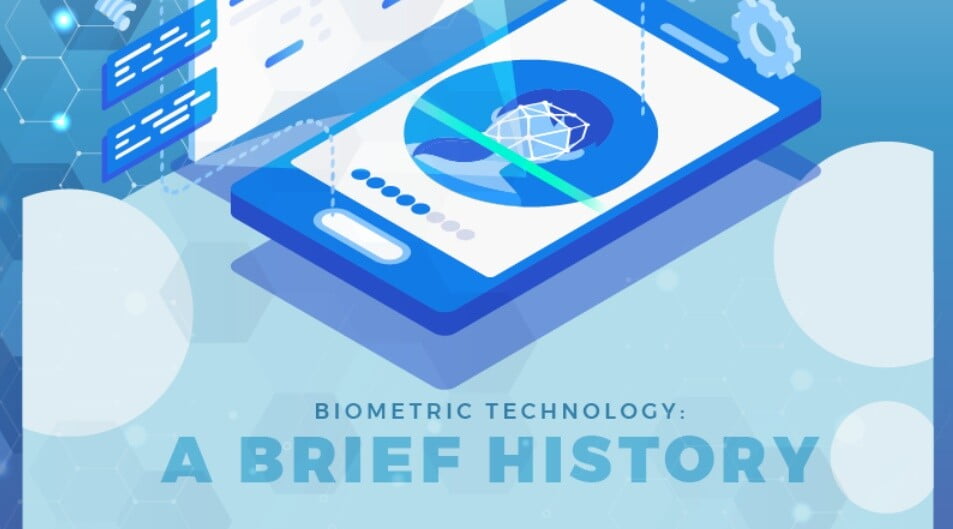
To know more about the history of biometric technology and the science behind biology-based scanners, read the infographic from LoginID: