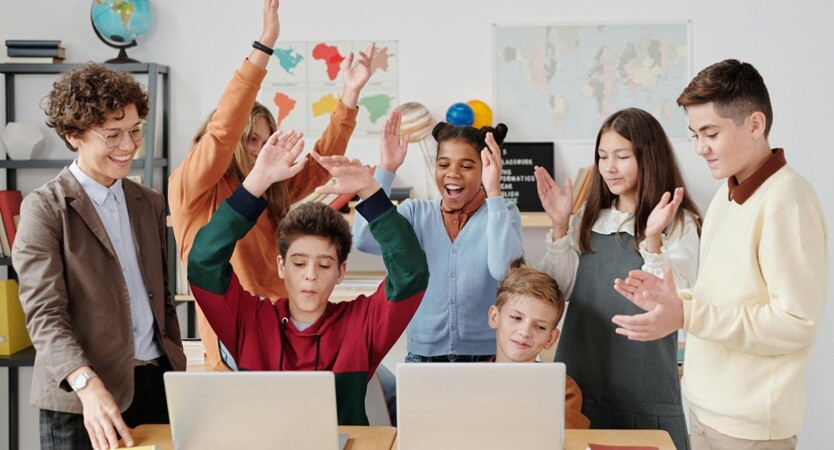
Middle school is a time of intense change. Students are navigating new academic pressures, shifting friendships, growing independence, and a stronger awareness of themselves and others. In the middle of all this, emotional skills often determine whether students feel confident and capable or overwhelmed and disconnected. This is where SEL activities for middle school play an essential role.
Social and emotional learning focuses on helping students understand their emotions, manage their behavior, build healthy relationships, and make responsible decisions. These skills are not separate from academic success. They support it. When students feel emotionally safe and understood, they are better prepared to learn, collaborate, and grow.
Why Social and Emotional Learning Matters in Middle School
Early adolescence is a developmental crossroads. Students begin to form their identity while also becoming more sensitive to peer opinions and social dynamics. Emotional reactions can feel stronger, while impulse control and long-term thinking are still in the process of development.
Social-emotional learning activities provide a structured way for students to explore these changes. Rather than assuming emotional skills will develop on their own, SEL creates space for guided practice. This helps students name feelings, recognize patterns in their behavior, and learn how their actions affect others.
Research and classroom experience consistently show that students with strong social and emotional skills are more likely to engage positively in school, handle conflict constructively, and persist through challenges.
Core Skills Developed Through SEL Activities
Effective SEL activities for middle school focus on several key areas:
- Self-awareness: recognizing emotions, strengths, and personal values
- Self-management: handling stress, setting goals, and controlling impulses
- Social awareness: understanding perspectives and showing empathy
- Relationship skills: communicating clearly and resolving conflicts
- Responsible decision-making: considering consequences and ethical choices
These skills develop over time and benefit from regular, age-appropriate practice.
Types of SEL Activities That Work Well
Reflection and Discussion
Middle school students are capable of thoughtful reflection when given the right prompts. Journaling, guided discussions, or short writing exercises allow students to explore emotions privately or in a supportive group setting.
Questions like “What helped you handle a difficult moment this week?” or “How do you usually react when you feel misunderstood?” encourage self-awareness without forcing vulnerability.
Role-Playing Real Situations
Role-playing is a powerful tool for practicing social skills. Students can act out common middle school scenarios such as handling peer pressure, resolving misunderstandings, or responding to criticism.
These social-emotional learning activities help students rehearse responses in a low-risk environment. They also build empathy by allowing students to see situations from multiple perspectives.
Group Problem-Solving
Collaborative tasks that require teamwork naturally bring social and emotional skills into play. Students must listen, compromise, and manage frustration. Teachers can use these moments to guide reflection afterward, asking what strategies worked and what could be improved.
This approach reinforces the idea that emotions are part of learning, not distractions from it.
Emotional Check-Ins
Simple emotional check-ins at the start or end of class can have a big impact. Students might rate their mood, choose a word that describes how they feel, or respond to a brief prompt.
These small routines normalize emotional awareness and help educators notice patterns that may need support.
The Importance of Consistency
One-off activities can be helpful, but real growth comes from consistency. SEL activities for middle school are most effective when they are woven into the regular rhythm of the school day rather than treated as an occasional add-on.
Consistent practice sends a clear message: emotional skills matter. Over time, students become more comfortable expressing themselves, asking for help, and supporting peers.
Consistency also helps students transfer these skills beyond the classroom, applying them in friendships, family interactions, and extracurricular activities.
Creating a Safe and Supportive Environment
For SEL to be effective, students must feel safe. This means establishing clear norms around respect, confidentiality, and listening. Students should know that mistakes are part of learning and that emotions are not judged.
When educators model calm communication, empathy, and reflection, students are more likely to follow suit. SEL is as much about how adults interact with students as it is about the activities themselves.
Long-Term Benefits Beyond School
The value of social-emotional learning activities extends far beyond middle school. Students who develop strong emotional skills are better prepared for high school, higher education, and the workplace.
They tend to communicate more effectively, handle stress more constructively, and build healthier relationships. These skills also support mental well-being, helping individuals navigate life’s challenges with greater resilience.
In many ways, SEL lays the groundwork for lifelong learning and personal growth.
Why SEL Is Especially Relevant Today
Modern students face unique pressures, from academic competition to digital social dynamics. Emotional challenges are more visible, and the need for coping strategies is greater than ever.
SEL activities for middle school provide students with tools they can use immediately. Instead of reacting impulsively or shutting down, students learn to pause, reflect, and choose a response that aligns with their values.
This sense of agency is empowering and helps students feel more in control of their experiences.
Final Thoughts
Social and emotional learning is not about fixing students or managing behavior alone. It is about equipping young people with skills that help them understand themselves and connect with others.
When thoughtfully designed and consistently practiced, social-emotional learning activities create classrooms where students feel seen, respected, and capable. In the middle school years, when emotions often feel overwhelming, these activities offer structure, language, and support.
By prioritizing SEL, educators and schools invest not only in academic outcomes but in the long-term well-being of their students. That investment pays off in confidence, empathy, and resilience that last well beyond the classroom.
You may also like to read,