Ever noticed your diesel ute losing that punch it once had? Perhaps there’s a strange whistling sound coming from under the bonnet, or maybe you’ve spotted some suspicious smoke trailing behind you? If any of this sounds familiar, you’re definitely not alone.
Turbo diesel problems are incredibly common among Australian vehicle owners. Whether you’re driving a trusty Hilux through the outback or commuting in your Ford Ranger, understanding what can go wrong with your diesel turbo turbocharger is absolutely essential. These issues can range from minor annoyances to major mechanical failures that leave you stranded.
In this guide, we’ll walk you through everything you need to know about common diesel turbo problems and solutions. You’ll learn to recognise turbo failure symptoms before they become catastrophic, understand how does a diesel turbo work with a turbocharger, and discover practical diesel turbo troubleshooting tips. Plus, we’ll cover specific issues affecting popular Australian vehicles like the N70 Hilux turbo, Ford Ranger turbo, and D40 turbo systems. By the end, you’ll be better equipped to diagnose diesel issues early and know when it’s time to seek out a diesel turbo specialist near me.
How Does a Diesel turbo Work with a Turbocharger?
Let’s start with the basics. A diesel turbo turbocharger is essentially a forced induction system that pushes more air into your engine’s combustion chamber. More air means more fuel can be burned, which translates to significantly more power without increasing engine size.
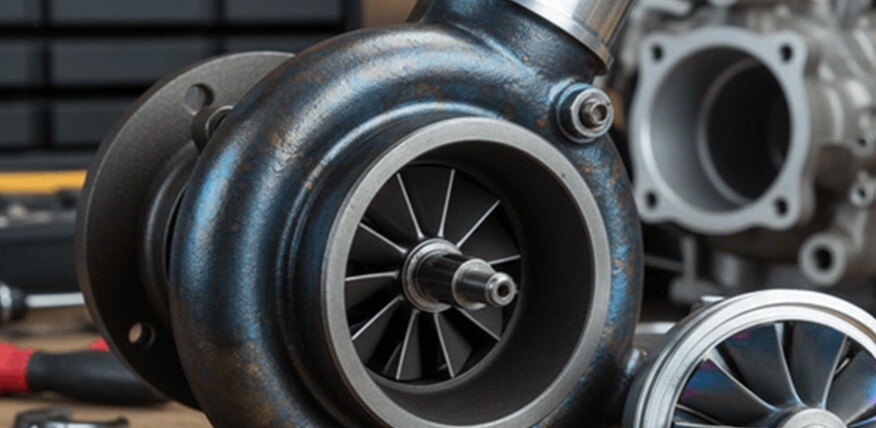
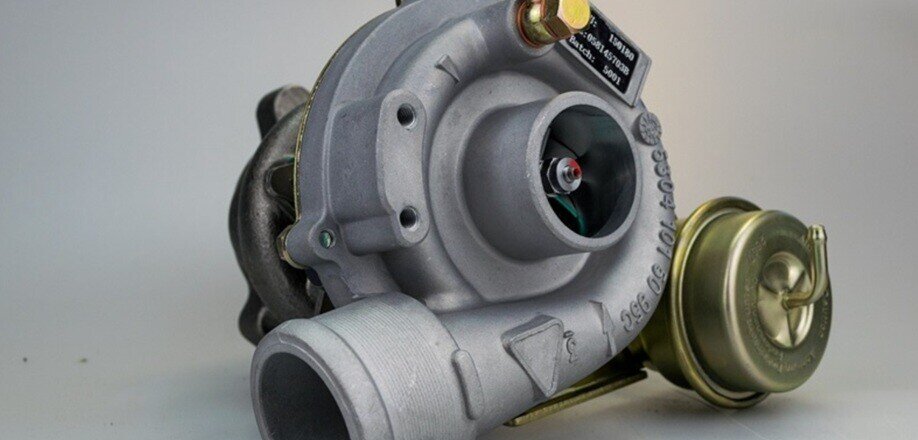
The turbo itself consists of two main components: a turbine and a compressor, connected by a shared shaft. Exhaust gases spin the turbine at incredibly high speeds—sometimes over 150,000 RPM. This rotation drives the compressor, which forces compressed air into the engine. It’s a clever system that recycles exhaust energy that would otherwise be wasted.
However, this complexity is exactly why turbo diesel problems are more common than you might think. The extreme temperatures, high rotational speeds, and reliance on proper lubrication create multiple potential failure points. Understanding this helps explain why diesel turbo diagnosis often starts with the turbocharger.
Turbo Failure Symptoms: Warning Signs You Shouldn’t Ignore
Loss of Power and Sluggish Acceleration
One of the first turbo problems symptoms drivers notice is a significant drop in performance. Your vehicle might feel sluggish during acceleration, or it may struggle on hills where it previously handled them with ease. This happens because a failing turbo can’t provide the boost pressure your engine needs.
If your diesel feels like it’s running on half its cylinders, don’t ignore it. This diesel turbo failure symptom often indicates issues with boost delivery, whether from a failing turbo, blocked intercooler, or leaking hoses.
Excessive Exhaust Smoke
Smoke colour tells a story. Black smoke typically suggests incomplete combustion—often from too much fuel or insufficient air. Blue smoke points towards oil burning in the combustion chamber, commonly caused by worn turbo seals. White smoke can indicate coolant leaks or condensation issues.
Any unusual exhaust smoke warrants investigation. It’s one of the most visible diesel problems you can spot without specialist equipment.
Unusual Whining or Siren-Like Noises
A healthy turbo produces a subtle whoosh during acceleration. However, whining, grinding, or siren-like sounds indicate something’s wrong. These noises often suggest bearing wear, shaft damage, or debris inside the turbo housing.
Check Engine Light and Boost Issues
Modern diesel turbos rely on sensors to monitor turbo performance. When boost pressure falls outside normal parameters, your check engine light illuminates. A diesel injector tester or diagnostic scanner can help pinpoint whether the issue lies with the turbo itself or related components.
Oil Leaks and Increased Oil Consumption
Finding oil around your turbocharger or noticing you’re topping up more frequently? Worn seals often cause oil to leak externally or enter the intake system. This is a clear signal that diesel turbo repairs may be needed soon.
Common Diesel Turbo Problems and Solutions
Understanding the root causes of turbo failures helps with effective diesel turbo troubleshooting.
Oil Starvation and Lubrication Failures
Turbos spin at extreme speeds and absolutely require constant oil flow. Oil starvation—caused by blocked lines, low oil levels, or poor quality oil—is one of the leading causes of turbo failure. The solution is straightforward: maintain proper oil levels, use manufacturer-recommended oil grades, and service regularly.
Worn or Damaged Turbo Seals
Over time, seals deteriorate. This allows oil to escape or enter areas it shouldn’t. Replacing worn seals during scheduled maintenance prevents more expensive problems down the track. If you’re seeing blue smoke, seal wear is likely the culprit.
Foreign Object Damage
Small debris entering the turbo can cause catastrophic damage. This includes particles from a degraded air filter, broken engine components, or even insects. Ensuring your air filtration system is properly maintained is vital to prevention.
Carbon Build-Up and Blocked Components
Carbon deposits can clog the variable vane mechanism in modern turbos, reducing efficiency and responsiveness. Regular driving at highway speeds helps burn off deposits. Some owners use professional cleaning services to address severe build-up.
Cracked or Warped Turbo Housing
Extreme temperature cycling can crack or warp turbo housings over time. This is particularly common in vehicles that are frequently shut down immediately after hard driving.
Diesel turbo Troubleshooting: A Practical Guide
Diesel turbo Troubleshooting Chart for Turbo Issues
A systematic approach makes diesel turbo diagnosis more effective. Start by noting all symptoms—noises, smoke colour, performance changes, and warning lights. Cross-reference these against known turbo problems symptoms. Many workshops use a diesel turbo troubleshooting chart that links symptoms to probable causes, helping narrow down issues quickly.
Using a Diesel Injector Tester for Accurate Diagnosis
While a diesel injector tester primarily checks fuel delivery, it’s an important tool in diagnosing overall engine performance. Poor injector function can mimic turbo problems, so ruling out fuel system issues is essential before assuming turbo failure.
When DIY Diesel turbo Diagnosis Falls Short?
Some problems require professional equipment and expertise. If basic checks don’t reveal the issue, it’s time to seek out diesel specialists near me. Experienced technicians have access to manufacturer diagnostic tools and can identify problems that visual inspection misses.
Popular Australian Vehicles and Their Turbo Problems
Hilux Turbo Issues: N70 Hilux Turbo and LN106 Turbo Kit Considerations
The Hilux turbo system is generally reliable, but common issues include actuator failures on N70 Hilux turbo models and wastegate problems. Older vehicles considering an LN106 turbo kit should ensure professional installation, as incorrect fitting causes premature wear and performance issues.
Ford Ranger Turbo: Common Faults and Fixes
Ford Ranger turbo models frequently experience issues with the bi-turbo system, particularly the smaller high-pressure turbo. Symptoms include reduced power and increased exhaust smoke. Regular servicing and using quality oil significantly reduces these diesel issues.
D40 Turbo Problems: What Navara Owners Need to Know
The D40 turbo and turbo D40 variants have known issues with the variable geometry turbocharger sticking, especially in vehicles used primarily for short trips. Regular highway runs and prompt attention to any unusual symptoms help prevent expensive failures.
Diesel Turbo Repairs: Fixing Your Turbo the Right Way
Parts Turbocharger: OEM vs Aftermarket Options
When sourcing turbocharger replacements, you’ll face a choice between OEM and aftermarket. OEM parts guarantee compatibility but cost more. Quality aftermarket options can offer good value, though choosing a reputable diesel turbo is crucial. Cheap turbos often fail quickly, costing more in the long term.
The Diesel Power Chip Problems You Should Know About
Performance chips promise easy power gains, but diesel power chip problems are real. Poorly tuned chips increase stress on your turbo and engine components. If you’re considering modifications, consult with a reputable diesel turbo specialist near me who understands the implications.
Turbocharger Repairs Near Me: Finding a Qualified Diesel Turbo Specialist
When searching for turbocharger repairs near me, look for specialists with experience in your specific vehicle. Check reviews, ask about warranty coverage, and ensure they use quality parts. A good diesel specialist near me can diagnose problems accurately and provide lasting fixes.
Preventing Future Diesel Turbo Issues
Maintenance Tips for Longevity
Prevention beats cure every time. Change your oil at recommended intervals using the correct grade. Replace air filters regularly. Allow your turbo to cool down before switching off after hard driving. These simple habits dramatically extend turbo life and prevent common diesel turbo problems.
Recognising Early Diesel turbo Failure Symptoms
Stay alert for subtle changes in performance, sound, or fuel economy. Early intervention on fixing diesel turbo issues prevents small problems from becoming expensive repairs. Regular professional inspections catch issues before they cause breakdowns.
Keeping Your Diesel turbo Running Strong
Looking after your diesel turbo turbocharger doesn’t have to be complicated. By understanding how your turbo works and recognising early warning signs, you can catch problems before they escalate into costly repairs.
We’ve covered the main turbo failure symptoms to watch for, from power loss and unusual smoke to strange noises and oil leaks. We’ve explored common diesel turbo problems and solutions, and provided practical diesel turbo troubleshooting advice. Plus, we’ve addressed specific issues affecting popular Australian vehicles like the Hilux turbo, Ford Ranger turbo, and D40 turbo systems.
The bottom line? Regular maintenance, quality oil, and prompt attention to any unusual symptoms will keep your turbo spinning happily for years. If you notice any concerning signs, don’t delay—seek out a qualified diesel turbo specialist near me who can diagnose and fix the problem properly. Your diesel deserves expert care, and your wallet will thank you for avoiding major repairs. Stay proactive, stay informed, and enjoy the reliable performance your turbo diesel was built to deliver.
You may also like to read,