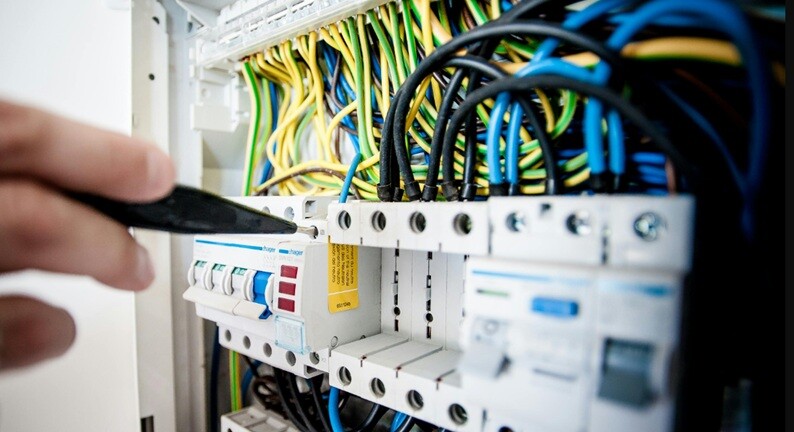
Today’s workplaces have numerous electrical hazards, even in office environments. Most of these risks can be mediated through proper protocols. With a few common-sense risk reduction strategies, you can substantially lower the safety hazards in your workplace.
Understanding the Numbers
Each year in the US, there are around 300 deaths and 4,000 non-fatal electrical injuries that occur in the workplace. Most of these accidents could be prevented with proper safety measures in place. In order to take action, it’s important to know what the most common electrical hazards are. The most frequent issues include:
- Overloaded circuits and outlets: Plugging too much into one outlet or extension cord can cause overheating and electrical fires.
- Exposed or damaged wiring: Damaged wiring or cords, cracked plugs, or exposed conductors can cause electrical shock.
- Improper grounding and old wiring: Faulty or missing ground wires to direct electricity safely to the ground in fault conditions are a source of shock and other injury.
- Working near power lines: OSHA requirements state that there should be 10 feet of clearance from lines under 50kV to prevent serious damage or injury.
- Moisture and water conditions: Working with electricity in wet or moist areas, such as in kitchens, is a major source of injury.
Although electrical safety hazards are most prevalent in industries where working with electrical lines is common, employees working in any location should be aware of electrical safety protocols and able to recognize the signs of danger.
Preventing Electrical Safety Hazards
Thankfully, there are a few key ways to prevent electrical injuries while on the job. The most helpful include:
Electrical Safety Training
OSHA requires employees who work in hazardous conditions to complete electrical safety training. This can reduce the number of electrical accidents by up to 60%. Main concepts taught in training include recognizing hazards, understanding lockout and tagout procedures, choosing and wearing proper PPE, maintaining a safe distance from energized equipment, and responding properly to electrical shock or injury.
Those who work in specialized industries, such as electricians and linemen, may need additional training for more advanced topics. Employees should be trained and certified upon hiring and then attend regular continued education and refresher courses.
Keep in mind that even employees who do not work in a construction or electrical-related industry should know basic safety protocols. Electrical fires caused by overloading and using faulty wiring can happen anywhere, even in office environments.
Equipment Inspections
Inspecting and maintaining equipment is highly important when it comes to electrical safety. Inspections should be performed, at the most basic level, daily. A reasonable inspection schedule may look like the following:
- Daily: Check equipment visually before each use
- Monthly: Document inspections of extension cords, equipment, and tools
- Quarterly: Inspect panels, outlets, and other electrical equipment
- Annually: Inspection of the entire system by a certified electrician
When performing inspections, you are primarily looking for:
- Discoloration near outlets and other equipment signalling heat or arcing
- Fraying or damaged wires
- Loose connections, such as outlets or lighting fixtures that can be moved around
- Absent ground prongs on cords
- Bent or damaged plug blades
- Cords that feel hot or warm to the touch when in use
It is important to know your limitations. Wiring replacement or repairs should only be performed by a licensed professional. If you have any questions on which types of maintenance you can safely complete yourself and which should be handled by an electrician, speak with a professional to receive proper guidance. When in doubt, hire it out.
Established Procedures
Your organization should have procedures in place so that every employee knows what to do during an electrical emergency or situation. This includes workers who do not regularly work with electrical equipment or wiring.
One of the most important aspects of developing employee protocols is your lockout/tagout procedures. LOTO must be done whenever equipment is maintained, repaired, inspected, or whenever it must be run without safety guards in place, as moving parts or wiring may be exposed and present a higher-than-average danger risk.
This process includes:
- Preparation: Identify energy sources and alert employees that a lockout is going to take place
- Shutdown: Turn off equipment using normal procedures (don’t hit the emergency stop or pull the plug unless necessary)
- Isolation: Ensure equipment is disconnected from all energy sources
- Lockout: Add devices to the equipment to lock them and add danger tags
- Energy release: Discharge any residual or stored energy in equipment
- Testing: Try to start the equipment using normal controls to confirm it will not start
Additional Safety Considerations
A few other safety considerations to keep in mind include:
- Secure overhead cords at least 7 feet above ground
- Cover cords in walkways
- Keep loads at 80% or less of circuit ratings
- Use GFCI protection in wet environments
- Maintain proper PPE, including insulated gloves, safety glasses, arc-rated clothing, and dielectric footwear
Conclusion
Proper electrical safety requires ongoing training, inspections, and adherence to strict guidelines. The up-front investment of proper training and implementing safety protocols is more than worth it, with the average cost per electrical safety incident involving catastrophic injuries upwards of $350,000, plus the potential loss of life. Employers should perform safety audits and address any gaps in their training or procedures.
You may also like to read,