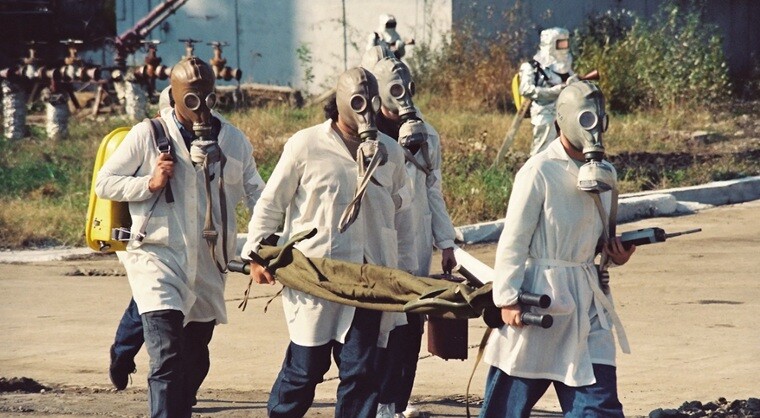
Working with hazardous chemicals means dealing with the risk. When you drive your vehicles on roads, what saves you from accidents is the traffic light. That provides you with the singles that can be understood by vehicle drivers. In the same way, using hazardous chemical labels can save your workers or you from chemical risks.
For the last few years, everyone has been talking about innovation, and some innovations have actually brought some positive change to our day-to-day lives. Innovation is not limited to the bigger industry, but it also played a significant role in risk management by providing an innovative safety label.
How it was used in the past years
Before, every country used to have their own safety labels for different chemicals. It warns them and instructs them on what to do in emergencies. But this method is only useful when products remain in the same country. When they cross the border, the safety label loses its meaning as people from other countries do not understand the meaning of those safety labels. In that time, there was a need for a common safety label that could be understood by everyone, regardless of the location and language.
How GHS chemical labels come into action
The Globally Harmonised System of Classification and Labelling of Chemicals (GHS) resolves the problem of confusion and barriers that were making it difficult. They provide a unified or a single standard for all hazardous chemicals that can be used by every country. They design the symbols that can help in risk management and are understood by every country. This innovation changes the safety factors and makes the risk management process easier.
1. What makes GHS safety labels smart and innovative
GHS chemical labels are innovative because they give clear instructions to the handler. It includes six basic features that can instantly warn the worker or whoever is handling the chemicals.
- Pictograms (A picture): This is the most innovative way to showcase the risk that can be identified by anyone. It shows the shape of the risk with red outer lines. You must have seen a picture of fire on some chemical bottles that shows the risk of fire. A picture of a sculpture with crossed lines is also one of the common pictures you may have seen. These pictures can easily communicate with the person without any language barrier.
- A single word: A single word that can talk about the risk. The word danger is used for major risk, and for less serious risk, it shows the word warning.
- Hazard statements: There is a small statement written on the label that can warn people. It tells the people what kind of risk it involves so they can become more careful. You may have seen a sentence like it can be harmful for your skin or eyes. Those are nothing but hazards statements.
- Precautionary statements: They provide clear instructions about how to handle the particular chemicals. It might instruct you to wear gloves before handling the chemicals or to wear a safety kit if it is riskier to handle.
- Product identifier: It can help you identify the chemical so you can handle it following the required safety steps.
- Supplier information: Information about the supplier can help you directly connect to them if you need help in an emergency.
2. How it helps in risk management
The meaning of risk management is organising or taking the right steps to prevent bad things from happening. Innovative label, and if we talk about the present innovation, then GHS labels are contributing significantly to risk management.
- Provides clear communication
It makes the risk identification process easier. All your employees working in chemical units are well known to the labels and use the standard safety labels. This can reduce the chances of misunderstanding and provide clear communication to all your employees. You can create a safe environment when all your employees can read the safety label without any difficulties.
- Speeding up the emergency response
Traditional safety labels take much time to understand the risk and what steps to take. Whereas this innovative label makes it so easy through pictures and statements. They don’t have to search through books to understand the meaning; they can see the pictures, read the instructions, and easily take precautionary steps that can help them.
- Makes safety training easier
Before, when there was no unified system for safety labels, workers needed to learn several safety signs, which can be difficult to remember. Through this innovation and GHS labels, their safety training becomes easier. A safety manager can design an easy presentation to provide them with training and make them understand the six main features of safety labels.
3. Beyond GHS: The next generation of innovative safety labels
- Digital access through QR code and scanner
Modern safety labels come with a QR code or scanner that you can scan on your phone or laptop. It immediately provides all the important information about the chemicals. It is not limited to inventory stock, but can also provide you with the safety data sheet. A safety data sheet includes everything that a professional should know. It can tell you about chemical structure, what risks it includes, what safety steps you should take while working with it, and much more.
- Label that lasts regardless of the environment
Hazardous chemicals are stored at a required temperature. It can be extremely hot or too cold. Normal safety labels may not withstand these impacts or have a chance to affect the quality of the ink. This can make it difficult for workers to read the label as it becomes blurred or hardly visible. An innovative safety label is resolving this problem by providing a lasting material. It can help you generate a durable and chemically resistant material and ink that remains visible even in abnormal atmospheres.
Conclusion
Innovation and the use of smart technology can be your best risk controller. With the use of innovative GHS safety labels and technology, you can provide a safe and secure workplace environment for your employees. It helps your workers in the safe handling of hazardous chemicals.
You may also like to read,