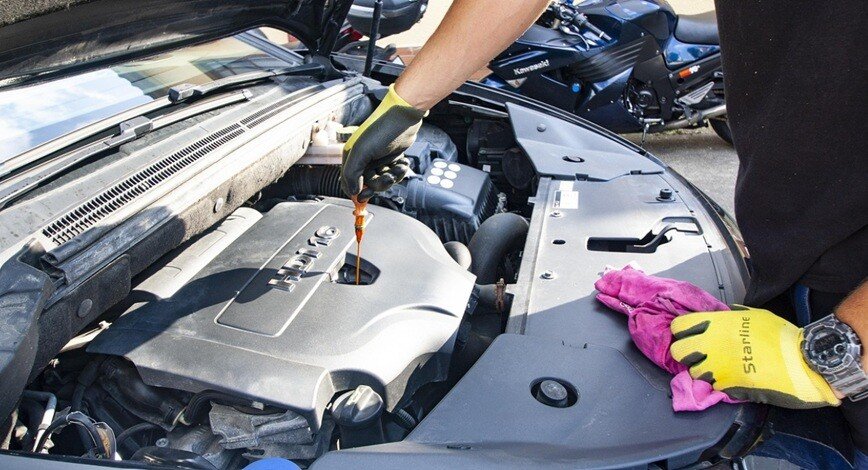
These days, a mechanic reads engine data using a tablet rather than browsing through paper guides. Not long ago, it was someone in greasy coveralls fighting a corroded gearbox beneath a harsh midday glare. Change came quickly since today’s automobiles operate much like phones mounted on four tyres. They carry gadgets inside that monitor conditions – air in the tyres, charge levels, even hidden glitches. Information flows nonstop from vehicle to workshop without anyone lifting a tool.
The idea of letting problems grow until they crash is gone; service happens before failure hits. Garages aren’t just fixing; they’re predicting, so for better or worse, digital dashboards show warning flags hours ahead of breakdowns. Every check-up becomes a conversation with live data. This isn’t about replacing hands-on skills; it’s about adding layers of insight behind them.
The Daily Grind Gets a Digital Upgrade
Those grease-stained clipboards and illegible handwritten notes are heading for the bin. Workshops are aggressively upgrading their day-to-day operations:
- Cloud-Based Management: These days, cloud tech isn’t going anywhere. From setting up appointments to keeping an eye on inventory, handing out tasks, or sending bills, most of it runs through the web, so workers can run the shop from nearly any location.
- Digital Vehicle Inspections (DVIs): Most times, mechanics skip talking about broken parts like a damaged bushing or frayed belt. A clear image often shows it better than words ever could. Snapshots or short clips get sent right to your device without delay. Seeing the exact spot needing work builds confidence fast. Proof on screen feels real, somehow.
- Texting Over Talking: Let’s face it, nobody wants to play phone tag during their lunch break. Around 90% of customers actually prefer a quick text message over a phone call. Sending automated appointment reminders and digital approval forms speeds up the entire car repair process without the endless back-and-forth.
Under the Bonnet: Telematics and AI
Imagine your car accurately diagnosing its own headache before you even pull into the driveway. Thanks to connected technology, this is happening right now.
- Telematics and Sensors: Out there, today’s cars run checks on themselves nonstop. Thanks to built-in systems that talk through the web, they stay alert. Data flows out without wires – think error signals, warnings, power levels – all of it heads off to protected cloud storage.
- AI-Powered Predictions: Weeks ahead of any sign something is off, smart AI systems spot trouble like a dying turbo or gunked-up fuel injector. Not waiting for alarms, these programs mix past patterns with live readings from sensors to see what breaks next.
- Over-The-Air (OTA) Updates: When the cause of the vehicle’s discomfort is merely a software bug, the technician or the automobile’s maker can normally rectify it from a distance through wireless OTA updates, i. e., bug fixing in the same manner as a smartphone update.
The Blokes Doing the Hard Work
So, what changes will this bring for the individuals who actually repair the vehicles? The work is gradually changing to something much more than manual trial and error.
- Tech Meets the Wrench: Technicians are practically morphing into data experts. Gaining knowledge of complex network systems, wireless diagnostics, and even basic cybersecurity is as important today as the skill of bleeding brakes.
- Physical Checks Still Rule: It’s premature to dismiss the role of human judgment completely. A telematics message could indicate a fault in the braking system, a skilled person needs to physically remove the wheel, inspect the brake rotor, and measure the brake pad wear. The digital aids only provide them with a remarkable lead.
Potholes on the Digital Highway
Of course, cruising down this digital highway isn’t without its hurdles.
- The Price Tag: Upgrading an independent garage to handle advanced telematics and cloud platforms requires a hefty chunk of cash.
- The Learning Curve: Veteran technicians who have spent forty years doing things the old-fashioned way might naturally resist these sweeping technological changes. Proper, ongoing training is absolutely vital to get the whole team confidently on board.
- Data Privacy Risks: Most cars today send out loads of personal details – like where you go every day or your exact route. Because of that, hackers see these machines as golden opportunities waiting to be exploited. Strong digital defences must exist, simply put. Without real protection, anyone behind the wheel stays exposed.
Keeping an Eye on the EV Revolution
Electric vehicles are popping up all over Aussie roads, and they bring a completely different set of challenges to the local garage. This is where modern car repair tech really shows its worth.
- Tracking the Powerpack: With live data links, a mechanic watches how strong the electric car’s battery stays over time instead of guessing. Small shifts in heat get logged automatically. Little by little, wear becomes visible through steady measurements.
- Extending Battery Life: With wireless signals feeding real-time updates, battery health becomes clearer. Early warnings pop up when something shifts off track. Charging patterns adjust before strain builds. Small tweaks add up, stretching the usable years far beyond normal limits.
Final Thoughts:
Out here, grabbing new tools means more than just buying something once. Staying sharp comes from constantly adjusting, picking things up along the way. Yet shops that actually make it work will give local drivers smoother rides, tighter safety, and clarity you can see through.
You may also like to read,