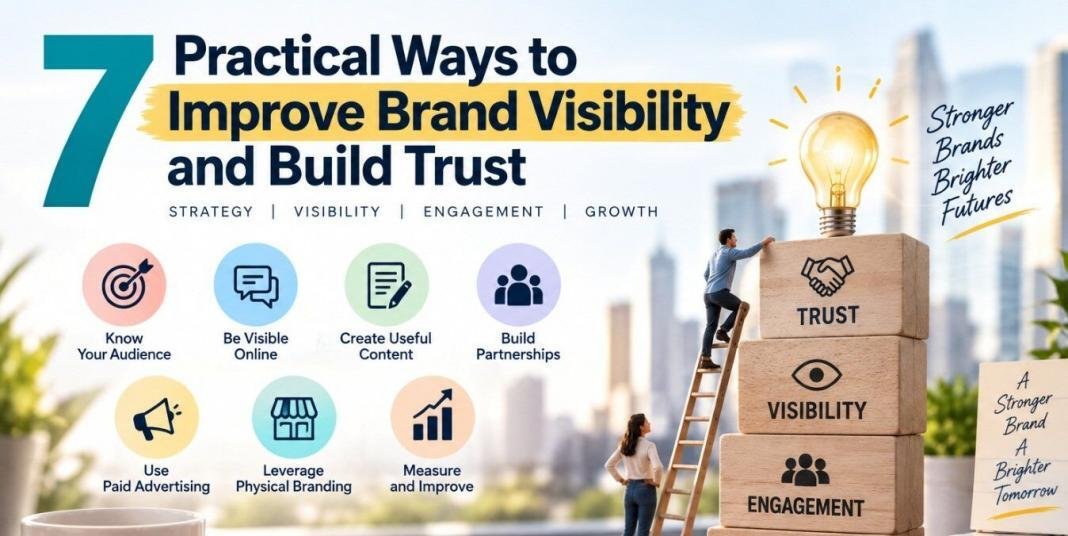
Brand visibility is built through consistent effort, clear strategy, and a strong understanding of where your target audience spends its time. In crowded markets, businesses need more than a good product or service to stand out. They need to communicate consistently, provide useful information, and reach the right audience through the right channels.
Below are practical strategies businesses can use to improve brand visibility and build greater awareness and trust.
Define Your Target Audience Clearly
A clearly defined target audience helps businesses focus their marketing efforts more effectively. Consider factors such as age, location, profession, interests, challenges, and purchasing behavior. Developing buyer personas can help marketers understand their audience beyond basic demographics and create messages that are more relevant to their needs.
Understanding your audience also helps businesses choose appropriate channels, content formats, and messaging.
Build a Strong Online Presence Across Multiple Platforms
Your online presence is an important point of contact between your brand and its audience. Set up where your audience actually lives — LinkedIn, Instagram, TikTok, niche forums, wherever they congregate. Maintaining a consistent presence across relevant channels can help strengthen brand recognition. Post things that earn attention: educate, entertain, fix something real. Answer comments. Respond to messages fast. People notice when there’s a human on the other end — not a bot, not silence. A tight, active presence signals reliability and professionalism. Both pull in customers and partners alike.
Create Content That Addresses Real Problems
Content marketing can help businesses reach people who are actively looking for information or solutions to problems. Already looking. Already curious. Articles, videos, guides, podcasts — whatever format fits your audience — should tackle the friction your ideal customers hit daily. Selling project management software? Write about remote collaboration headaches. Productivity traps. Communication breakdowns. That content repositions your brand as a resource, not just another pitch. People share what actually helps them. And they remember who helped. Useful, relevant content can also support organic search visibility over time, depending on factors such as content quality, search intent, competition, and overall website performance.
Leverage Strategic Partnerships and Collaborations
Strategic partnerships can help businesses reach relevant audiences beyond their existing customer base. Look for brands or influencers whose values align with yours but whose customers don’t already overlap with your base. Co-hosted webinars, guest posts, joint campaigns, bundled offers — all of it puts your brand in front of people who’d never have stumbled onto you otherwise. There’s a credibility kicker too. When someone your audience already trusts vouches for you, attention follows fast. And since effort is shared, the visibility gain outlasts anything you’d build alone.
Invest in Paid Advertising to Accelerate Growth
Organic visibility is a slow burn. Paid advertising compresses that timeline — when it’s done right. Google Ads, Facebook, LinkedIn, Instagram. These platforms offer audience-targeting options that can help businesses reach people who are more likely to be relevant to their products or services. Don’t spray generic ads everywhere. Use data. Test different messages, visuals, calls to action. See what lands; cut what doesn’t. Paid campaigns can also provide useful feedback about which messages, audiences, and creative approaches perform better.
Use Physical Branding to Reinforce Your Identity in the Real World
Digital-first isn’t digital-only. Physical branding creates impressions a screen simply can’t replicate. Branded merchandise, signage, apparel — these generate touchpoints in everyday life, not just during a scroll. For businesses where staff meet customers face-to-face, a well-managed employee uniform program turns every interaction into a brand visibility moment. Retail, hospitality, healthcare, field services — coordinated branded attire signals credibility and burns your visual identity into people’s memory.
Measure and Adjust Your Visibility Efforts Consistently
Measuring results helps businesses understand which visibility strategies are contributing to their goals. Set clear metrics upfront — website traffic, social growth, lead volume, brand mentions, whatever success looks like in your specific context. Use analytics tools to track which channels and content types are pulling weight. Review regularly. Some tactics will blow past your expectations; others will quietly underdeliver. You won’t know which is which without consistent measurement. The brands that stay visible aren’t the ones with the flashiest original plan — they’re the ones willing to pivot when the data says to.
Conclusion
Brand visibility isn’t built on one move. It’s compounded — audience understanding, consistent presence, genuinely useful content, smart partnerships, targeted advertising, relentless measurement — all pulling the same direction. None of it happens overnight. But start with a clear picture of your audience, layer in strategies that match where they spend time, and keep refining as you learn. Consistent effort and regular measurement can gradually strengthen brand awareness and help businesses build lasting relationships with their audience. Over time, consistent and relevant visibility can contribute to stronger brand awareness, customer trust, and long-term business relationships.
You may also like to read,
- Effective E-Commerce Marketing Strategies for Sustainable Business Growth
- Practical Tips on Using SEO to Boost Your Startup’s Brand Visibility
- How do you evaluate advertising using nodejs development?