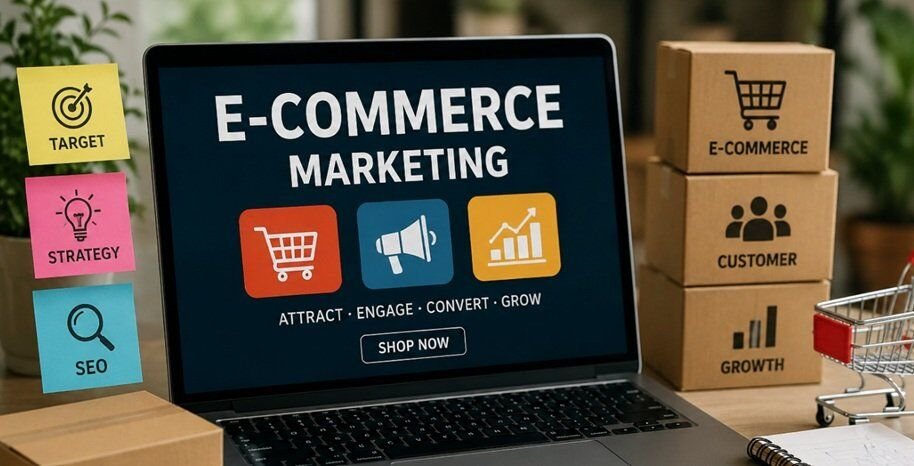
In today’s digital landscape, running a successful online store requires more than simply having a website. To attract customers and turn them into loyal buyers, businesses need strategic, well-executed marketing efforts. Many online retailers struggle because they invest time and resources in tactics that fail to deliver meaningful results. This article outlines practical, proven e-commerce marketing strategies that can help your business drive consistent growth and long-term success.
Understand Your Target Audience
Before spending money on ads or social media, it’s important to understand your audience. Ask questions like: Who is buying my products? What problems do they face? Where do they spend time online? Understanding your audience helps you create messages that actually connect with them. Use surveys, social media insights, or website analytics to gather data. When you know your audience, every marketing decision becomes more effective.
Create High-Quality Product Listings
Your product listings are your store’s first impression. Make sure they are clear, detailed, and visually appealing. High-quality photos from multiple angles, detailed descriptions, and accurate specifications help customers make decisions faster. Include key information such as size, colour, material, and benefits. Adding a story about how the product solves a problem can make it more persuasive. For example, a business selling premium packaging can showcase its use of custom rigid boxes in the UK to highlight product quality, durability, and a premium customer experience.
Optimise Your Website for Conversions
A great website is more than just pretty pictures. It needs to be easy to navigate, fast, and mobile-friendly. Use clear calls-to-action (CTAs) like “Buy Now” or “Add to Cart.” Make checkout smooth with fewer steps. Offer multiple payment options and show trust signals like reviews and secure payment badges. A well-optimised website reduces bounce rates and encourages visitors to complete purchases. Remember, even small improvements in website usability can lead to significant sales growth.
Use AI to Improve Your E-Commerce Marketing
Artificial intelligence (AI) is transforming how online businesses attract, engage, and retain customers. Today, many e-commerce platforms and marketing tools use AI to automate repetitive tasks and deliver more personalized shopping experiences. For example, AI can help generate product descriptions, recommend products based on customer browsing history, personalize email campaigns, and power chatbots that provide instant customer support. It can also analyze customer behavior to identify buying patterns and optimize marketing campaigns. While AI can improve efficiency and save time, businesses should always review AI-generated content for accuracy and ensure it aligns with their brand voice. When combined with human creativity and data-driven decision-making, AI becomes a valuable tool for increasing conversions and improving customer satisfaction.
Leverage Social Media Marketing
Social media platforms like Instagram, Facebook, and TikTok are excellent tools for e-commerce marketing. For example, behind-the-scenes videos, product tutorials, or user-generated content can boost engagement. Paid social ads can target specific demographics and interests, helping you reach the right people. Consistency is key—posting regularly and interacting with followers builds trust and loyalty over time.
Build Long-Term Customer Loyalty
Acquiring new customers is important, but retaining existing ones is often more cost-effective. Loyalty programs, personalized recommendations, exclusive offers, and excellent after-sales support encourage repeat purchases and strengthen long-term customer relationships.
Invest in Search Engine Optimisation (SEO)
SEO is crucial for attracting organic traffic to your store. Use relevant keywords in product titles, descriptions, and blog posts. Optimise meta tags, URLs, and images. Internal linking helps search engines understand your website structure, while external backlinks build authority.
For example, publishing helpful content about sustainable packaging, shipping best practices, or custom packaging solutions can attract potential customers searching for those topics while demonstrating your industry expertise.
Focus on creating helpful, original content that answers customer questions and matches search intent. Optimising for page speed, structured data (schema markup), and Core Web Vitals can also improve search visibility and user experience.
Email Marketing Still Works
Email marketing remains one of the most cost-effective strategies. Build an email list and send regular updates, promotions, or tips. Personalised emails tend to perform better, so segment your audience by behaviour or purchase history. Abandoned cart emails are particularly effective—they remind customers to complete purchases they almost made. Keep your emails simple, visually appealing, and valuable. Over time, this nurtures a loyal customer base and boosts repeat purchases.
Run Paid Advertising Campaigns
Paid ads, like Google Ads or social media ads, can bring immediate traffic to your store. Start small with a clear goal, such as increasing sales of a particular product. Use targeted keywords and demographics to reach your ideal audience. Monitor performance regularly and optimise campaigns based on results. Paid advertising works best when combined with organic efforts like SEO and social media marketing.
Collaborate With Influencers
Influencer marketing is a great way to reach a wider audience. Partner with influencers whose followers match your target market. Micro-influencers, even with smaller audiences, can have high engagement rates. Authentic endorsements make your products more trustworthy. For e-commerce, influencers can demonstrate product use, share reviews, or even offer discount codes to drive traffic and sales.
Use Customer Reviews and Testimonials
People trust other customers more than brands. Encourage buyers to leave reviews and showcase them on product pages. Video testimonials can be especially persuasive. Honest feedback increases credibility and can reduce hesitation from potential buyers. Make leaving reviews easy by considering offering small incentives, such as discounts or freebies.
Track, Analyse, and Improve
Marketing isn’t a one-time effort. Use tools like Google Analytics, social media insights, and email reports to track what works and what doesn’t. Look at metrics such as traffic sources, conversion rates, and customer behaviour. Continuous improvement ensures that your e-commerce store stays competitive and profitable.
Offer Exceptional Customer Service
Respond to inquiries promptly, resolve complaints politely, and exceed customer expectations whenever possible. Positive experiences lead to repeat purchases, word-of-mouth referrals, and a strong brand reputation. Tools like live chat, FAQ pages, and simple return policies make the process smoother for customers.
Conclusion
E-commerce success stems from consistently employing smart and effective marketing strategies. Understand your audience, optimise your website, use SEO and social media, send valuable emails, leverage paid advertising, collaborate with influencers, and focus on excellent customer service. Each strategy works better when combined with the others. Implementing these strategies will help your online store attract more visitors, convert them into buyers, and build lasting customer relationships.
You may also like to read,
- Product Page to Paid Ad: Matching Promises to Boost Conversion
- The Tools and Tech Behind Successful E-commerce Growth and the Key Elements
- How Terrible Online Reviews Can Still Boost Your Sales
- The future of the E-commerce industry looks bright and promising!