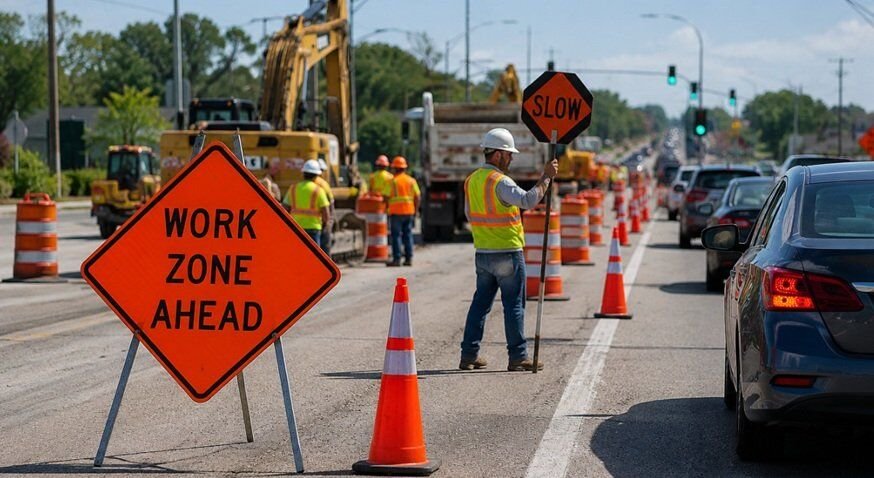
Driving past roadworks can be a real headache. You probably just want to get through it and get home. Sitting in a line of cars while the bloke in front of you creeps along at forty clicks is not fun. We all think about safety when we see those flashing lights and orange cones. It makes sense. You want the workers and drivers to be safe on the road. I have often wondered if there is more to it than just stopping cars. It turns out that getting the vehicles sorted actually speeds up the whole build. Look at professional traffic control services. They do a lot more than just hold a stop sign all day. They are the hidden engine keeping the entire project moving forward. Good prep changes a chaotic street into a smooth operation. It protects the tradies. It keeps the community happy. It stops the budget from blowing out. There is an enormous amount of background work that goes unnoticed by the everyday driver. It requires a dedicated team of professionals who understand the intricate dance of keeping both heavy machinery and daily commuters moving safely at the same time. The goal is to minimise disruptions without sacrificing the well-being of anyone on the tarmac.
The Foundation of Efficiency is Strategic Planning
Planning happens extremely early. Long before an excavator even turns the dirt or the asphalt gets ripped up, planners are already hard at work. They closely examine the exact number of cars using the road during peak hours. They assess how fast those vehicles normally travel. They consider the impact of closing a lane on the surrounding local streets. To successfully implement all the critical elements of a successful traffic management plan, they focus on a few key moves:
- Mapping out safe detours for the local traffic.
- Talking to the local council to ensure the buses can still pass through on time.
- Using temporary portable rumble strips to warn drivers to slow down before the work zone starts.
Things rarely go exactly to script on a building site. A sudden downpour might hit and wash out a section of road. A delivery of steel or concrete might be running extremely late because of a crash somewhere else. A good plan is flexible. The crew can make tweaks on the fly. They do not have to pack up and go home just because of a minor hiccup. Proper planning stops a small bump from snowballing into a massive headache.
Streamlining Equipment and Material Movement
Space is tight. Work zones are incredibly crowded spaces. You might notice massive vehicles acting as giant mobile shields on the highway while you drive past. We call them truck-mounted attenuators. They take the hit so the crew does not have to. All that heavy machinery takes up a lot of room on the tarmac. If you do not manage that space, you get massive traffic jams. To stop the sheer chaos, controllers do the following:
- Set up specific entry gates just for work vehicles.
- Keep the heavy gear away from the public cars.
- Ensure materials arrive exactly when the tradies need them.
They can just get on with the job without waiting around.
Human Element: Trained Personnel in Real-Time
Signs are great. They do a lot of the heavy lifting. You cannot replace human eyes on the ground, though. The people directing cars are making split-second decisions constantly. Road conditions change fast. One minute it is dead quiet. The next minute, you have the afternoon school rush to deal with. Top-tier traffic management in Sydney is vital here. Flaggers adapt to the layout of the road. They stand on the shoulder in clear view, always face traffic, and use clear hand signals. I think it is also a great industry for creating meaningful careers for people with no previous experience. They get solid training and become the ones keeping everyone safe. It is a big responsibility.
Leveraging Modern Technology
It is not just about cars either. Pedestrian movement plans are a massive piece of the puzzle. If a footpath is blocked the crew needs to set up a safe alternate route so locals can still walk to the shops safely. It takes real thought to get that right so nobody wanders into an active work area. Then there is the new tech keeping things efficient:
- Automated Flagger Assistance Devices (AFADs): Remote-controlled machines that keep workers out of the most dangerous spots.
- Electronic Message Boards: Give drivers live updates on what is happening ahead, stopping panicked lane changes.
- Smart Sensors: Planners use connected queue warning systems to watch cars building up so they can fix a jam before it forces the work to stop entirely.
Preventing Accidents Means Preventing Delays
A crash is awful. You worry about injuries above anything else. From a project side, it completely stops all work. Suddenly, deliveries cannot get in. The timeline gets completely thrown out the window. Proper control stops that from happening in the first place.
- Dropping the speed limits enforces temporary traffic regulations to lower collision risk.
- Setting up safe buffer spaces gives an errant vehicle room to recover without hitting anyone.
The safest site ends up being the fastest site. Companies avoid massive interruptions. They finish exactly when they promised the local council they would.
Conclusion:
Nobody enjoys sitting in a traffic jam. Idling in your car, going nowhere, is frustrating. Badly run roads lead to angry calls and demands to pause the work. Professionalism works wonders here. A highly organised zone builds trust with the public. When drivers get through easily, they view the whole project in a much better light. Skilled crews even know how to calm down an angry driver before tempers boil over into an incident. Managing cars really is the invisible force making it all work. It is a smart move that saves time and lowers risks. It guarantees the roadwork hits the deadline without a hitch.
You may also like to read,
- The Ripple Effect: How Responsible Driving Protects More Than Just You
- Top Causes of Sudden Highway Slowdowns and How Drivers Can Stay Safe
- What To Eat While Driving a Truck To Avoid Fatigue