

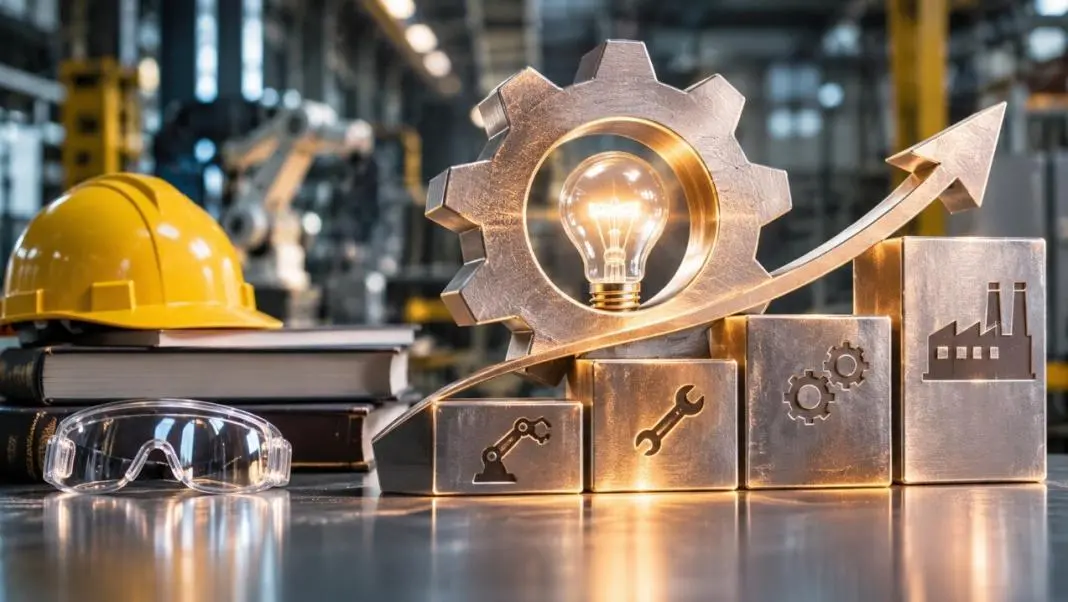
Modern manufacturing is constantly evolving with new technologies, materials, equipment and production methods. Businesses must adapt to these changes while maintaining product quality, meeting deadlines and managing operational costs. In this environment, employee knowledge and technical skills play an important role in maintaining productivity. Continuous learning helps manufacturing professionals understand new processes, solve workplace challenges and perform their responsibilities more effectively.
Developing technical expertise is not limited to learning how to operate machinery. It also involves understanding materials, interpreting technical information, identifying production issues and making informed decisions. When employees regularly update their knowledge, they can contribute to smoother workflows, reduce avoidable mistakes and achieve more consistent manufacturing outcomes.
The Importance of Continuous Learning in Manufacturing
Manufacturing processes are becoming increasingly specialised, making continuous learning an important part of professional development. Employees need to understand changing production requirements, equipment capabilities, safety procedures and quality standards. Knowledge that was sufficient a few years ago may not always meet the demands of modern industrial operations.
Regular training helps employees become familiar with updated machinery, automation systems, digital tools and manufacturing techniques. It also encourages them to identify opportunities for improvement within their daily responsibilities. Businesses that support employee learning can develop teams that are better prepared to handle operational changes and unexpected challenges.
For example, when a manufacturing company introduces new production equipment, employees need to understand more than its basic operating instructions. They should become familiar with its functions, safety requirements, operating limits and common warning signs. This knowledge helps them use the equipment correctly and recognise potential problems before they affect production.
Continuous learning also creates a workplace culture where employees are encouraged to ask questions, share knowledge and improve their approach to everyday tasks.
Technical Skills That Support Workplace Productivity
Technical skills influence how efficiently employees complete their work. In manufacturing environments, these skills may include equipment handling, process monitoring, quality inspection, material knowledge and basic troubleshooting.
Understanding production equipment helps employees identify unusual operating conditions before they develop into larger problems. Similarly, knowledge of quality control procedures allows teams to recognise defects, maintain consistency and reduce unnecessary rework.
Material knowledge is another important area of technical expertise. Different manufacturing applications require materials with specific properties, such as temperature resistance, mechanical strength, electrical insulation and chemical compatibility. Understanding these characteristics helps professionals make better decisions during product development and production planning.
For example, engineers working with specialised bonding applications need to understand how different adhesive formulations perform under particular operating conditions. Learning about industrial epoxy adhesive options can help technical teams evaluate bonding requirements, curing conditions and application suitability before selecting a material for a manufacturing process.
When employees understand these technical considerations, they can communicate more effectively with suppliers, engineers and quality teams. This knowledge supports informed decisions and helps reduce avoidable production mistakes.
How Technical Knowledge Helps Reduce Production Challenges
Production delays can occur for several reasons, including equipment issues, incorrect material selection, inconsistent processes and quality-related problems. Employees with appropriate technical knowledge are often better equipped to recognise these challenges and respond effectively.
Problem-solving skills are particularly useful in such situations. Instead of addressing only the visible symptoms of a production issue, trained professionals can investigate its underlying causes. This approach helps teams develop practical solutions and reduce the possibility of recurring problems.
For instance, if bonded components repeatedly fail a quality inspection, the team can investigate the materials, surface preparation, application process and curing conditions. Identifying the actual cause can help prevent similar failures in future production batches.
Understanding material performance is equally important. The selection of adhesives for industrial components should consider the materials being joined, operating temperatures, environmental exposure and required bonding strength. Working with an experienced adhesive manufacturer can also help businesses understand specialised adhesive requirements and identify suitable product options for particular applications.
When employees understand these technical considerations, they can communicate more effectively with suppliers, engineers and quality teams, helping prevent avoidable production complications.
The Role of Digital Skills in Modern Manufacturing
Digital technology has changed how manufacturing businesses monitor operations, manage information and evaluate production performance. Automation systems, digital inspection tools, enterprise software and data analysis platforms are increasingly used across industrial environments.
Employees who understand these tools can perform tasks more efficiently and make better use of available information. For example, production monitoring systems can help teams identify recurring delays, monitor equipment performance and recognise patterns that may affect product quality.
Manufacturing execution systems (MES), where used, can help coordinate production activities, maintain operational records and provide greater visibility into manufacturing processes. Employees who understand these systems can access relevant information and respond more effectively to production requirements.
Digital skills also improve communication between departments. When employees can access accurate production records and share updates through appropriate systems, teams can coordinate activities more effectively.
However, adopting technology requires proper training. Businesses should ensure that employees understand how digital systems work, how to interpret the information they provide and how to use them responsibly within their respective roles.
Practical Ways Businesses Can Encourage Continuous Learning
Creating an effective learning environment requires more than occasional training sessions. Businesses should make professional development an ongoing part of their operations and connect learning activities with actual workplace requirements.
Some practical approaches include:
- Regular technical training: Conduct sessions that help employees understand new equipment, materials, production methods, quality requirements and updated safety procedures.
- Hands-on learning: Provide opportunities for employees to gain practical experience with machinery, tools and manufacturing processes. Supervised practice helps employees apply theoretical knowledge to real production tasks.
- Knowledge sharing: Encourage experienced professionals to share their expertise with colleagues through discussions, demonstrations and mentoring.
- Cross-functional collaboration: Allow employees to understand how different departments contribute to production, quality management, maintenance and delivery.
- Digital skills development: Train employees to use relevant production software, monitoring systems and data tools.
- Performance evaluation: Review employee progress and identify areas where additional training or technical guidance may be useful.
These practices help employees build confidence while encouraging a more organised and knowledgeable workforce.
Measuring the Impact of Learning on Productivity
Continuous learning should contribute to improvements that businesses can observe and evaluate. Organisations can track several operational indicators to understand whether training is making a difference.
Useful measures include:
- Equipment downtime: Monitor whether employees identify and report equipment problems earlier.
- Production defects: Evaluate whether improved technical knowledge helps reduce errors and rejected products.
- Rework levels: Check whether better understanding of production processes and materials reduces repeated work.
- Production cycle time: Assess whether employees can complete tasks more efficiently without compromising quality.
- First-pass yield: Measure the proportion of products that meet quality requirements without requiring rework.
- Employee skill development: Review whether workers are gaining the knowledge and practical abilities required for their roles.
These indicators should be considered together. For example, reducing production time is not necessarily an improvement if product quality or workplace safety declines.
Regular reviews help businesses identify useful training activities and determine where employees need additional support.
Conclusion
Continuous learning and technical skill development are important contributors to productivity in modern manufacturing. As production methods, materials and technologies continue to change, employees need opportunities to expand their knowledge and strengthen their practical abilities.
Businesses that invest in workforce development can improve problem-solving, support better material selection, reduce avoidable production issues, maintain consistent quality and create more efficient workflows.
By combining technical training, hands-on experience, digital skills development and knowledge sharing, manufacturing organisations can prepare their teams to handle changing industry requirements. Making learning a regular part of workplace culture helps build a knowledgeable workforce that can contribute to long-term operational improvement and business performance.
You may also like to read
- Manufacturing Software Development: Powering the Future of Smart Manufacturing
- How Manufacturing Software Development Drives Factory 4.0 Success
- Best ERP Software for Manufacturing Companies: Top Tools, Features, and Benefits
Discover practical ways to manage your time, improve focus and accomplish meaningful work.
Was this article helpful?
Your feedback helps us improve.