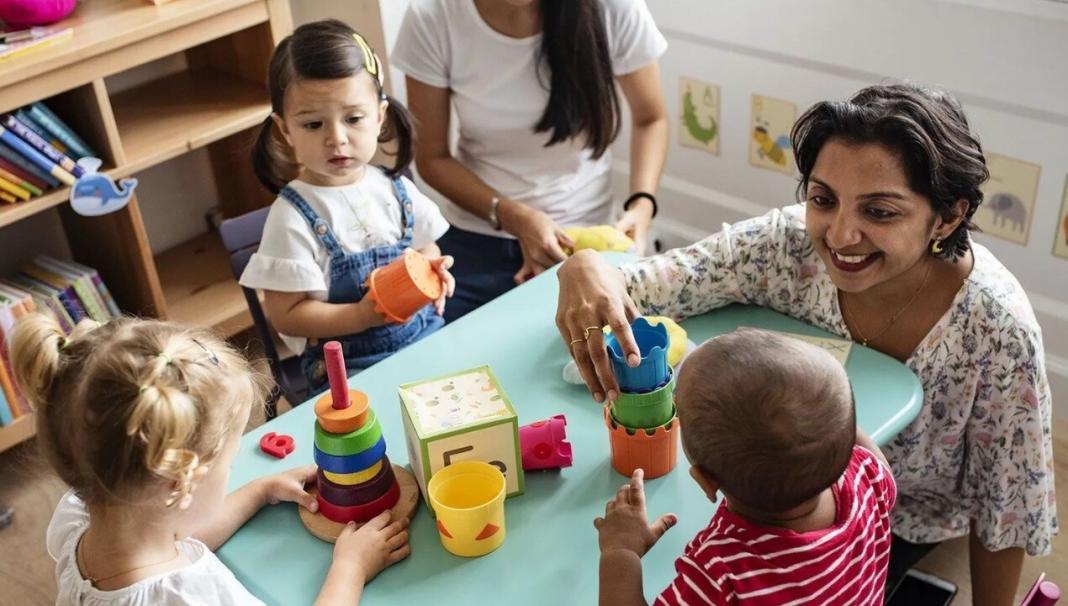
While therapists guide the procedure, parents can add to it by encouraging the aims of speech and language therapy, establishing their child’s confidence and keeping communication open with professionals for optimal outcomes.
1. Speech therapy goals at home
One of the most effective methods parents can use to support therapy is by creating an environment that will reinforce the goals set in those sessions. The home environment offers an ideal opportunity to practise skills in real-life contexts, it helps children use their new abilities beyond the therapy room.
A. Practise daily routines: Children learn best in structured situations, and incorporating speaking practice into their routine is effective. Mealtimes, bath times, and playtime are all opportunities that work well. For instance, while preparing a meal, a parent can ask their child to identify specific ingredients, describe actions such as stirring or cutting, or even ask what they think might happen next. All these additions make speech targets accessible while keeping practice pressure-free and stimulating.
B. Use visual and verbal cues: These could be flashcards, picture books, and even items in the home to promote speech therapy goals. The combination of visual cues and verbal prompts allows the child to eventually associate a word with an object or action, making it easier to recall. Repeating this practice daily enhances a child’s understanding and usage of the new vocabulary.
C. Keep the practice play-based: Speech therapy should never be a burden for young children. Practice can be blended with fun games, story time, or play-based activities. Games like “I Spy”, board games, or imaginative play that incorporate their therapy goals can motivate children to use language in a fun way.
2. Boost the confidence of your child
It is often difficult to expect cooperation in therapy, especially from a child who is conscious of his problem. They need to ensure their child feels supported and understood and can improve so that motivation doesn’t wane.
A. Celebrate small successes: Speech therapy may be hard and slow for anyone, and it’s great to acknowledge even small victories. That is where parents need to appreciate their child’s improvement. From pronouncing a hard sound to uttering a new word in conversation, reinforcement increases confidence and delivers effort. Giving effort-focused praise, for example, “I saw how hard you worked on saying that word!” promotes resilience and a growth mindset.
B. Create a safe space for mistakes: Children need to feel safe making mistakes when learning new skills. Do not correct everything at once; instead, model the correct usage in a natural, encouraging way. If your child says, “I goed to the park,” you can respond with, “Oh, you went to the park? That sounds fun!”
C. Facilitate social interactions: Social environments provide a great opportunity for children to hone their communication skills. Encourage the child to talk at school with their friends, at their playgroup or while on outings with family. Initially, they may be a bit shy, but the more interactions are encouraged in a positive atmosphere, the better and more confident children get at communicating.
3. Communicate effectively with therapists
Open communication with the speech therapist will ensure better results for your child. After all, a collaborative relationship will ensure everyone is working on the same goals.
A. Know the treatment objectives: Ensure you know what your child’s speech therapist is trying to achieve. Often, they will have specific goals for a session or part of treatment: improving their articulation, increasing their vocabulary, or constructing sentences, for example. This will help you adapt your home activities to coincide with the therapist’s plan and keep them consistent across all environments.
B. Strategies for home practice: Don’t hesitate to ask for these recommendations. Whether it’s a list of words to practise, games that support therapy goals, or specific ways to encourage speech in daily interactions, therapists can offer guidance on reinforcing the work done in sessions.
C. Feedback to the therapist: It should be engaging and two-way. The therapist will want to know about progress beyond the therapy sessions. Let them into your life and share concerns, observations and successes at home.
4. Be patient and positive
Don’t put too much pressure on your child as it will cause frustration for both of you. Instead, focus on the improvement, irrespective of how slight and be hopeful that your child will progress bit by bit with time. Parents can be considered natural partners in speech therapy for children. Their involvement contributes significantly to how far a child can go. Parents that reinforce therapy goals at home provide a supportive and confidence-building environment for their children and maximise progression opportunities.
You may also like to read,
- Everything You Need to Know About Speech Therapy
- Finding Your Voice: Navigating Speech Changes from Lisp to Clarity
- Basic Facts about Speech Therapy for Children