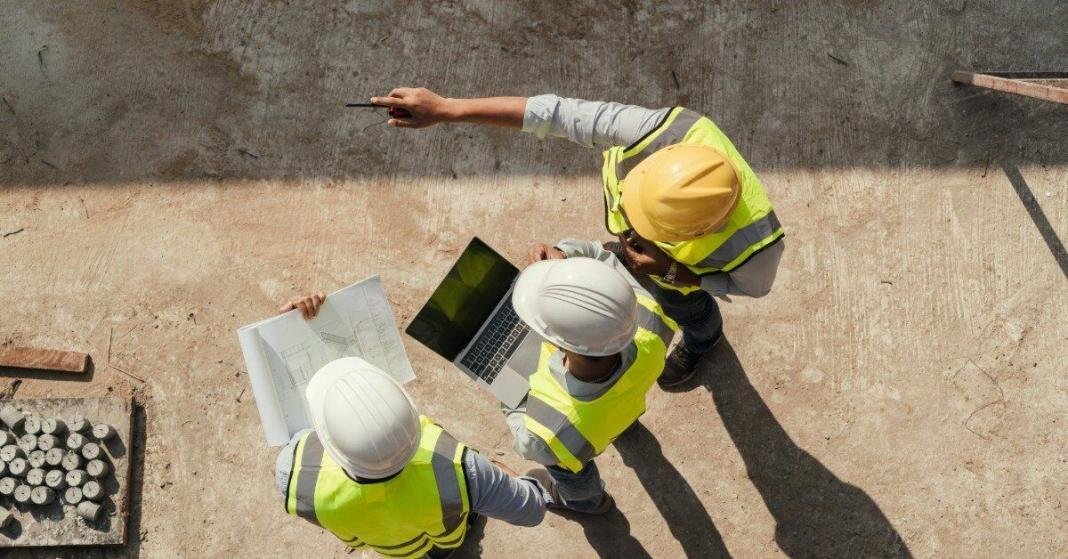
Industrial sites no longer rely on slow processes or outdated tools. New technology continues to reshape how teams build, monitor, and maintain large-scale operations. Workers now use smarter systems that improve efficiency while reducing costly downtime. This shift marks a major transformation that touches everything from communication to safety. We’re going inside the tech revolution on industrial sites and how these changes are evolving the world around us.
Smart Sensors Are Changing the Game
Smart sensors now sit at the heart of modern industrial sites. These devices track temperature, pressure, and movement in real time without constant human checks. Teams use this data to catch issues early and avoid expensive repairs. As a result, companies improve performance while protecting their equipment.
Engineers also rely on sensor networks to monitor entire systems at once. Instead of guessing, they make decisions based on clear, real-time information. This approach helps teams respond faster when conditions change. It also reduces unnecessary inspections that waste time and resources.
Automation Speeds Up Daily Operations
Automation continues to streamline repetitive tasks across industrial environments. Machines now handle routine jobs like sorting, packaging, and basic inspections. Workers shift their focus toward higher-level responsibilities that require judgment and skill. This balance increases productivity while improving job satisfaction.
Machines follow exact instructions every time, which reduces human error. Teams can trust the output and spend less time correcting mistakes. That reliability plays a key role in maintaining high-quality standards.
Fiber Optics Powers Faster Communication
Industrial sites depend on fast and reliable communication systems. Fiber optic technology delivers high-speed data transmission that supports everything from monitoring systems to remote operations. Teams can send large amounts of information instantly across long distances. This capability keeps operations connected and efficient.
Technicians often rely on advanced tools to maintain these networks. Many teams now consider renting the latest fiber optic test gear to stay current without overspending. This approach allows them to troubleshoot issues quickly while using up-to-date equipment. It also helps companies avoid long-term investments in tools that may soon become outdated.
Data Analytics Drives Smarter Decisions
Data analytics plays a major role in modern industrial operations. Companies collect large volumes of data from machines, sensors, and workflows. Analysts turn that information into actionable insights that guide decision-making. This process helps teams identify trends and improve performance over time.
Managers use analytics to predict maintenance needs before failures occur. Instead of reacting to breakdowns, they plan repairs based on real data. This strategy reduces downtime and keeps operations running smoothly. It also helps companies manage costs more effectively.
Robotics Enhances Precision and Safety
Robotics continues to transform how industrial sites handle complex tasks. Robots perform jobs that require high precision or involve hazardous conditions. Workers stay out of risky environments while machines handle the danger. This setup improves safety without slowing productivity.
Robotic systems also adapt to different tasks with proper programming. Teams can update instructions to meet changing project needs. This flexibility makes robotics a valuable investment for long-term growth. It also allows companies to stay competitive in a fast-moving market.
Cloud Technology Connects Everything
Cloud platforms now connect systems across entire industrial sites. Teams store and access data from anywhere, which supports remote monitoring and collaboration. This connectivity allows managers to oversee operations without staying on-site at all times. It also helps teams respond quickly when issues arise.
Cloud-based tools also improve communication between departments. Everyone can access the same data, which reduces confusion and delays. Teams work together more effectively when they share real-time information. This level of coordination leads to smoother operations overall.
Cybersecurity Becomes a Top Priority
As technology grows, cybersecurity becomes more important than ever. Industrial sites now face risks from hackers who target connected systems. Companies must protect their networks, data, and equipment from potential threats. Strong security measures prevent costly disruptions.
Teams implement firewalls, encryption, and regular system updates to stay protected. They also train employees to recognize potential risks. Together, these efforts create a stronger defense against cyber attacks.
Core Technologies Driving the Shift
Several technologies continue to lead the industrial transformation. Each one plays a unique role in improving efficiency and performance. The following tools help businesses choose the right solutions for their needs:
- Smart sensors for real-time monitoring.
- Automation systems for repetitive tasks.
- Fiber optic networks for fast communication.
- Data analytics platforms for decision-making.
- Robotics for precision and safety.
- Cloud systems for connectivity and access.
These technologies work best when companies integrate them into a unified system. Teams can unlock greater value when tools communicate with each other. This approach creates a more efficient and responsive operation.
Workforce Skills Are Evolving
The tech revolution also changes the skills workers need on industrial sites. Employees must understand how to operate and maintain advanced systems. Training programs now focus on technical knowledge and problem-solving abilities. This shift prepares workers for a more digital work environment.
Companies also invest in ongoing education to keep teams up to date. Technology continues to evolve, so workers must adapt alongside it. Organizations that support learning often see better performance and retention. Skilled employees play a key role in long-term success.
Sustainability Gains Momentum
Modern industrial technology also supports sustainability efforts. Companies can track resource usage and identify areas for improvement. This approach lowers costs while supporting environmental goals.
Automation and analytics also reduce waste during production. Teams can fine-tune processes to use materials more efficiently. These improvements benefit the business and the environment. Sustainability now stands as a major priority across many industries.
The Future of Industrial Innovation
The tech revolution on industrial sites continues to evolve at a rapid pace. New advancements will likely push efficiency, safety, and connectivity even further. Companies that embrace innovation will stay ahead in a competitive market. Those who resist change may struggle to keep up.
Looking ahead, integration will play a major role in success. Businesses must connect systems and teams into a cohesive operation. This strategy allows them to respond quickly and adapt to new challenges. As technology advances, industrial sites will become smarter and more efficient than ever before.
You may also like to read,
- Dynamics 365 Customer Voice – A Virtual Bridge that Connects Customers with Businesses
- Technologies and Developments Shaping the Future of Healthcare