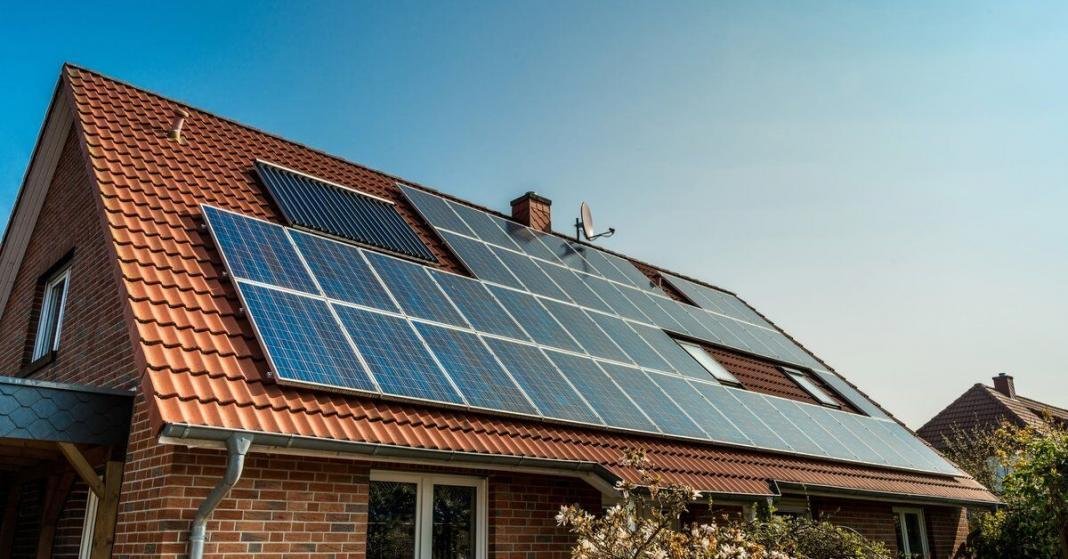
Solar panels offer a practical path toward energy independence, cost control, and reduced reliance on traditional power sources for homeowners. Many households explore solar options as energy prices rise and environmental concerns grow across communities and regions. A well-planned system can deliver reliable output and measurable savings when each factor receives careful attention before installation begins.
A successful solar project depends on informed decisions about multiple factors that affect system reliability. You must evaluate several variables to avoid poor performance or delays during setup and inspection processes. These key considerations when installing solar panels at home will help ensure a dependable strategy to manage your energy.
Roof Condition and Structural Integrity
Homeowners must assess roof condition, energy needs, budget limits, and local rules before solar panel installation to ensure system performance. A strong roof supports panel weight and protects wiring from weather exposure across many years of service. Any damage or weak area can reduce safety and increase repair costs after installation.
A professional inspection helps identify issues that require repair before equipment placement begins on the roof surface. Structural strength and roof age affect mounting choices and installation methods used during setup. Clear evaluation reduces risk and supports a stable base for lasting solar panel performance.
Sunlight Exposure and Orientation
Solar panels depend on direct sunlight exposure to generate power efficiently throughout each day across different seasons. Orientation toward the sun affects output levels and determines how much energy the system can produce at peak hours. Shading from trees or buildings can reduce performance and limit expected energy gains from the system.
A site review helps determine the best angle and position for panel placement on the property. Accurate planning ensures panels receive consistent sunlight and avoid shadows that impact energy production levels. Careful positioning improves efficiency and helps maximize return on investment.
Energy Needs and Usage Patterns
Understanding household energy use helps determine system size and expected output levels for effective solar performance. Monthly utility bills provide insight into consumption trends and peak demand periods within the home environment. Accurate data ensures the system meets needs without excess cost or insufficient power supply.
Future energy use may change due to new appliances or lifestyle adjustments within the household over time. Planning for these changes helps avoid upgrades or system expansion after the initial installation. A well-sized system supports a consistent energy supply and financial efficiency across many years.
Budget and Financing Options
Solar installation requires a clear budget that includes equipment, labor, permits, and potential maintenance expenses. Compare purchase options such as loans or lease agreements before the final decision. Each option carries different cost structures and impacts overall savings potential across the system lifespan.
Incentives and tax credits can reduce initial expenses and improve affordability for many households across various regions. Research into available programs helps identify financial benefits that lower the total project cost. Proper planning ensures a balanced investment with measurable financial return over time.
Local Regulations and Permits
Local regulations affect solar installation through permit requirements and zoning rules that govern residential energy systems. You must comply with these rules to avoid penalties or delays during project approval and completion stages. A clear understanding of local laws supports a smooth installation process from start to finish.
Permit approval may require documentation related to system design, electrical plans, and structural safety measures before work begins. Working with experienced professionals helps ensure compliance with all required standards and codes. Proper adherence reduces risk and ensures the legal operation of the solar system.
Equipment Quality and Warranty
Solar panels vary in quality, efficiency, and durability based on the manufacturer’s design and the materials used during production processes. High-quality equipment provides better performance and longer service life under various environmental conditions. Warranty coverage offers protection against defects and ensures support if issues arise after installation.
Inverters and mounting systems also affect performance and reliability across the entire solar setup at home. Selecting trusted brands with proven records helps reduce risk and improve system stability over time. Careful selection ensures dependable operation and consistent energy output for many years.
Installation Expertise and Contractor Choice
Choosing a qualified contractor ensures proper installation and reduces the risk of errors that affect system performance or safety standards. Experience and certification indicate skill level and knowledge of best practices within the solar industry. A reliable contractor provides clear communication and detailed plans for each stage of the project.
Reviews and references help verify reputation and past project success within the local market area. Transparent pricing and written agreements support trust and protect your interests during the process. A strong partnership leads to efficient installation and dependable system operation.
Maintenance and System Monitoring
Solar systems require periodic maintenance to ensure consistent performance and detect issues before they impact energy production levels. Cleaning panels and checking connections helps maintain efficiency and extend equipment lifespan across many years. Monitoring systems provide real-time data that supports quick response to performance changes.
Regular inspection helps identify wear or damage caused by weather conditions or environmental factors around the property. Early detection prevents costly repairs and maintains steady energy output throughout system operation. A proactive approach supports reliability and long-term system success.
Property Space and Mounting Options
Available space affects installation design and determines whether roof-mounted or ground-mounted systems fit the property layout best. Each option offers benefits related to access, efficiency, and installation flexibility depending on site conditions and homeowner preferences. Careful evaluation ensures optimal use of available space for solar equipment placement.
Taking a look at ground-mounted residential solar power systems will help you understand alternatives when roof space remains limited or unsuitable. Ground systems allow flexible positioning and easier maintenance access across the property area. This option may improve performance when roof conditions restrict effective panel placement.
Grid Connection and Energy Storage
Grid connection allows excess energy to return to the utility network and may provide credit through net metering programs. This arrangement helps balance energy supply and demand within the household across different periods. Understanding utility policies ensures proper integration and financial benefit from the solar system.
Energy storage options such as batteries provide backup power and increase independence from the grid during outages. Storage systems support energy use during night hours or low sunlight conditions. Combining storage with solar panels enhances reliability and control over the household energy supply.
Solar panel installation as a first timer requires careful evaluation of structural, financial, and environmental factors to ensure a successful and efficient energy system. Each consideration plays a role in cost and reliability within the home environment. Thoughtful planning helps avoid common issues and supports a smooth installation process.
A well-designed solar system offers dependable energy and greater independence from traditional power sources over time. Homeowners who review these factors can make informed decisions that align with their goals and property conditions.
You may also like to read,
- How to increase solar panels efficiency and things you did not know?
- All You Need to Know About the Commercial Solar Panel Installation
- Top Benefits of Switching to Solar Energy for Your Home and Business
- Here Are 5 Things To Look For In A Solar Panel Provider Company